Wed, October 14, 2026

New Delhi – Researchers in Japan have announced plans to begin human clinical trials of a vaccine developed to combat the deadly Nipah virus, offering fresh hope in the fight against the highly fatal infection.
According to reports, the vaccine candidate developed by scientists at the University of Tokyo will enter clinical trials in Belgium starting in April. The vaccine is considered a significant advancement against Nipah virus, which carries a fatality rate ranging from 40 to 75 per cent. At present, there is no approved vaccine or specific treatment available for the disease.
The development comes at a time when India reported two confirmed Nipah virus cases in West Bengal in January, highlighting the continued threat posed by the infection.
The new vaccine has been created by incorporating a segment of the Nipah virus’s genetic material into the measles virus. When administered, the vaccine is designed to trigger the production of antigen proteins resembling those of the Nipah virus, enabling the immune system to build a defensive response and potentially prevent the onset of symptoms. The modified measles virus used in the vaccine is already widely deployed in global immunisation programmes.
Researchers have previously demonstrated the vaccine’s safety and effectiveness through animal trials conducted on hamsters. The upcoming Phase 1 human clinical trial will involve 60 participants to further assess its safety.
Meanwhile, another research team from Oxford University has also been working on a Nipah vaccine candidate and initiated Phase 2 clinical trials in Bangladesh in December. Around 300 volunteers aged between 18 and 55 years are expected to take part in that study.
The World Health Organization (WHO) has classified Nipah virus infection as a priority disease under its Research and Development Blueprint due to its high mortality rate and potential to cause outbreaks.
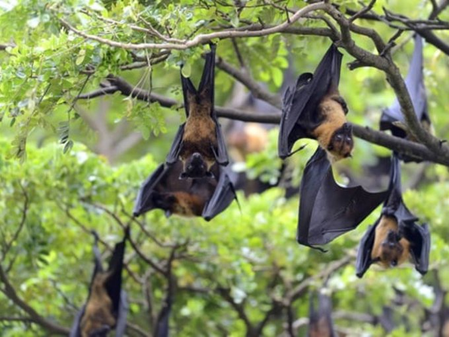
Nipah virus is a zoonotic disease primarily transmitted from bats to humans, either directly or through contaminated food sources. The virus can also spread from animals such as pigs to humans and, in certain cases, through close and prolonged human-to-human contact, especially in healthcare settings.
Infected individuals may experience symptoms ranging from mild or no illness to severe respiratory complications and fatal brain inflammation. The global case fatality rate varies between 40 and 75 per cent, depending on early detection and the quality of medical care available.
With inputs from IANS



© Copyright
Reporter Post.All Rights Reserved |
Powered by: Aptilogic Software |
 |
Page rendered in 0.0125 seconds.
|
Page rendered in 0.0125 seconds.