Mon, November 02, 2026


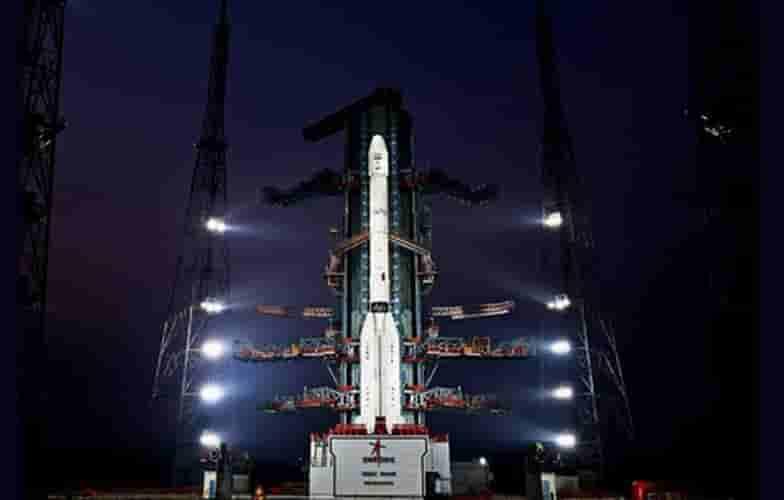
Photo: IANS
India has taken another significant step towards strengthening its indigenous satellite navigation infrastructure with the successful launch of NVS-03, the third satellite in the Indian Space Research Organisation's (ISRO) next-generation navigation satellite series.
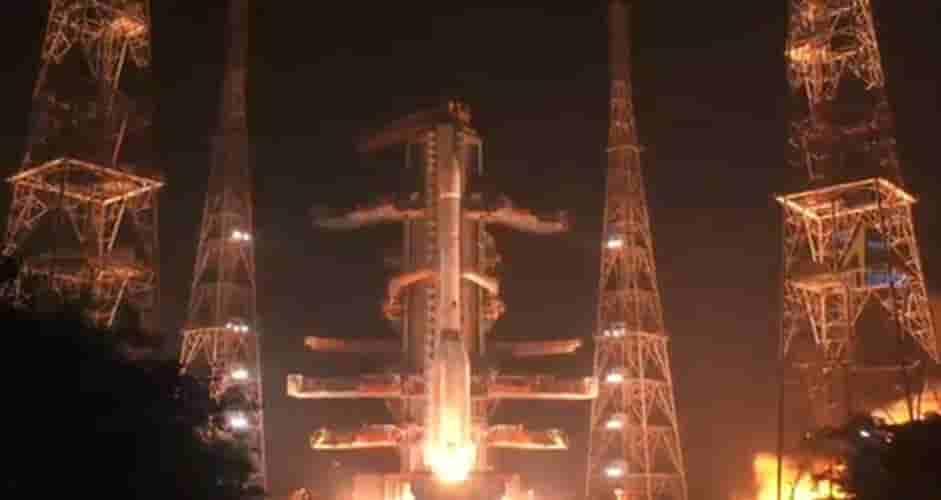
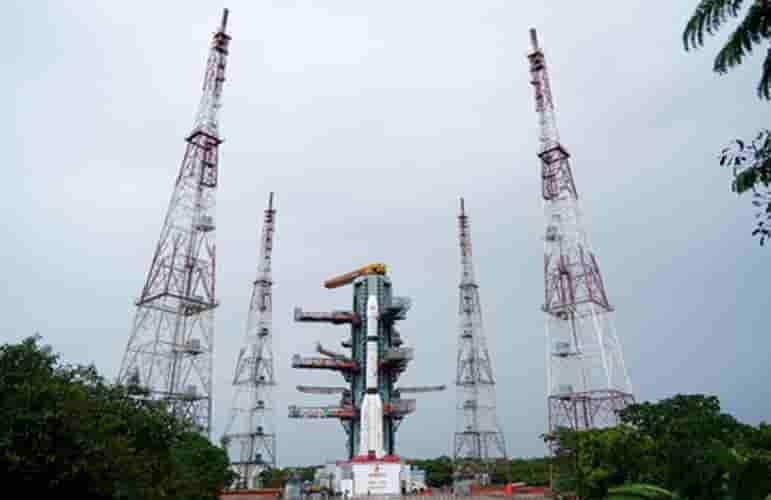
Launched aboard the GSLV-F18 rocket from the Satish Dhawan Space Centre in Sriharikota, NVS-03 was successfully placed into a Geosynchronous Transfer Orbit (GTO). Following the completion of its first orbit-raising manoeuvre on October 31, further manoeuvres are planned to position the satellite in its designated geosynchronous orbital slot at 111.75 degrees East.
The satellite is part of a five-satellite programme aimed at strengthening the Navigation with Indian Constellation (NavIC), India's homegrown regional navigation system. The new-generation satellites are designed to improve the system's coverage, positioning accuracy, reliability and service continuity.
Satellite navigation systems work through a network of satellites that continuously transmit signals containing precise timing and orbital information. Receivers on smartphones, vehicles, aircraft and other navigation devices process signals from multiple satellites to calculate their position, speed and direction.
Beyond everyday navigation, these systems play an important role in aircraft and maritime operations, precision agriculture, disaster management, vehicle tracking and telecommunications. The US Global Positioning System (GPS), Russia's GLONASS, the European Union's Galileo and China's BeiDou are among the major global satellite navigation systems.
NavIC gives India an indigenous alternative to these international systems. Its primary service area covers the Indian landmass and extends approximately 1,500 km beyond the country's geographical boundaries. It provides two categories of services: the Standard Positioning Service (SPS), accessible to civilian users, and an encrypted Restricted Service reserved for authorised strategic users.
An important feature of NavIC is its compatibility with signals from other Global Navigation Satellite Systems (GNSS), including GPS, GLONASS, Galileo and BeiDou. This interoperability allows compatible receivers to use signals from multiple navigation constellations, improving positioning capabilities.
The five-satellite NVS series is being developed to augment the existing NavIC constellation and ensure the continuity of India's indigenous navigation services. NVS-01, NVS-02 and NVS-03 have been launched, while NVS-04 and NVS-05 are planned as part of the programme. Together, these satellites are expected to strengthen the availability and reliability of NavIC services.
The significance of the NVS-03 mission extends beyond the addition of another satellite to India's space infrastructure. Reliable positioning, navigation and timing (PNT) services are essential for several critical sectors, including transportation, communications, infrastructure management and strategic operations. Maintaining an indigenous system gives India greater control over these capabilities and reduces its dependence on foreign navigation networks for essential applications.
The development and deployment of next-generation NavIC satellites therefore represent an important step towards technological self-reliance under the Atmanirbhar Bharat initiative. By investing in its own satellite navigation infrastructure, India is strengthening its capacity to develop, operate and maintain strategic space-based services independently.




© Copyright
Reporter Post.All Rights Reserved |
Powered by: Aptilogic Software |
 |
Page rendered in 0.0081 seconds.