Fri, October 30, 2026


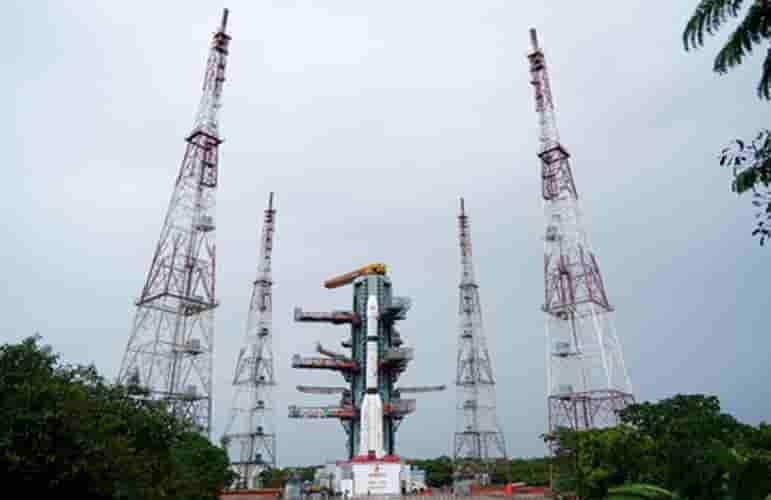
Photo: IANS
The Indian Space Research Organisation (ISRO) is scheduled to launch its GSLV-F18/NVS-03 mission at 11.51 p.m. on Friday from the Satish Dhawan Space Centre (SDSC SHAR) in Sriharikota, Andhra Pradesh.
Announcing the launch schedule on X, ISRO said the GSLV-F18/NVS-03 mission would lift off at 23:51 hours IST on October 30, 2026, from the space centre.
The mission will place NVS-03, the third satellite in India's second-generation Navigation with Indian Constellation (NavIC) series, into a Geosynchronous Transfer Orbit (GTO). The launch is scheduled to take place from the centre's Second Launch Pad (SLP).
According to ISRO, this will be the 20th flight of India's Geosynchronous Satellite Launch Vehicle (GSLV).
NVS-03 is designed to strengthen the NavIC constellation and ensure continuity of navigation services. The satellite carries an indigenous atomic clock along with procured atomic clocks. It also introduces the L1 navigation signal alongside the existing L5 and S-band signals, enhancing the system's navigation capabilities.
ISRO said the satellite would support coverage across India's landmass and an area extending 1,500 km beyond the country's geopolitical boundary.
NavIC is India's independent regional navigation satellite system, developed to provide accurate Position, Velocity and Timing (PVT) services across the country and the surrounding region.
The system offers two types of services: Standard Positioning Service (SPS) and Restricted Service (RS). While SPS is intended for civilian users, RS is an encrypted service available to authorised users.
ISRO plans to deploy five second-generation navigation satellites to augment the existing NavIC constellation, introduce enhanced capabilities and ensure uninterrupted navigation services.
NVS-01, the first satellite in the second-generation series, was launched aboard the GSLV-F12 mission on May 29, 2023. The mission marked the first time an indigenous atomic clock was flown on an Indian navigation satellite.
NVS-03 will further strengthen the constellation by adding the L1 signal to the existing L5 and S signals.
NavIC is designed to support a range of applications that require reliable positioning, navigation and timing information, including transportation, location-based services and other navigation-dependent activities.
Through its second-generation satellites, ISRO aims to enhance the capabilities of NavIC and maintain the continuity of India's independent regional navigation services.




© Copyright
Reporter Post.All Rights Reserved |
Powered by: Aptilogic Software |
 |
Page rendered in 0.0071 seconds.