Sat, October 10, 2026

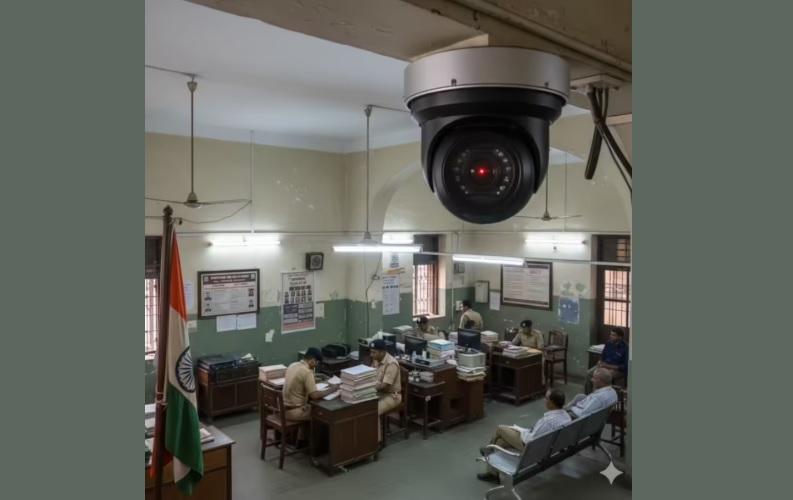
Police stations across Jharkhand are set to come under extensive CCTV surveillance, with the state preparing to install more than 9,000 cameras at all 606 police stations. The move follows directions from the Supreme Court aimed at strengthening transparency and accountability in police stations.
A total of 9,006 CCTV cameras will be installed across the state, including Ranchi, at an estimated cost of around Rs 90 crore. The project is expected to create a comprehensive surveillance network covering important areas of police stations.
The state Cabinet has already approved the revised Detailed Project Report (DPR), following which JAP-IT issued the tender for the project. The technical bids are scheduled to be opened on September 21. Once an agency is selected, it will be responsible not only for installing the cameras but also for setting up the supporting surveillance infrastructure.
The selected agency will also be responsible for operating and maintaining the system for five years. This is intended to ensure that the cameras remain functional rather than becoming inactive after installation.
The issue of CCTV coverage in police stations has been under judicial scrutiny for several years. The Jharkhand High Court had recently expressed displeasure over the delay in implementing the required surveillance system. A division bench comprising Chief Justice M.S. Sonak and Justice Rajesh Shankar issued a contempt notice to the Director General of Police, seeking an explanation as to why action should not be initiated for non-compliance with the court's directions.
The matter is scheduled to come up for hearing again on September 17.
Once the new system becomes operational, several important activities inside police stations will be recorded. This could include interactions between police personnel and complainants, the process of receiving complaints and other significant activities taking place within the premises.
The recordings could prove particularly important when allegations are made against police personnel. Complaints involving misbehaviour, physical assault, refusal to accept a complaint or inappropriate conduct could potentially be examined against CCTV footage, providing investigators with an objective record of what happened.
CCTV footage could also play an important role in cases involving people held in police custody. If allegations of assault, intimidation or any suspicious incident arise, investigators would have access to recorded footage that could help establish the sequence of events.
At the same time, the system could protect police personnel against false or exaggerated allegations by providing an independent record of interactions inside monitored areas.
The effectiveness of the project, however, will depend not only on the number of cameras installed but also on whether they remain operational, recordings are securely stored and access to the footage is properly regulated. Regular maintenance and monitoring will therefore be crucial.
With 606 police stations and 9,006 cameras planned under the project, Jharkhand is moving towards a more closely monitored policing environment. If implemented properly, the CCTV network could become more than a surveillance system—it could provide an important record for accountability, transparency and the protection of both citizens and police personnel.



© Copyright
Reporter Post.All Rights Reserved |
Powered by: Aptilogic Software |
 |
Page rendered in 0.0099 seconds.
|
Page rendered in 0.0099 seconds.