Mon, August 31, 2026

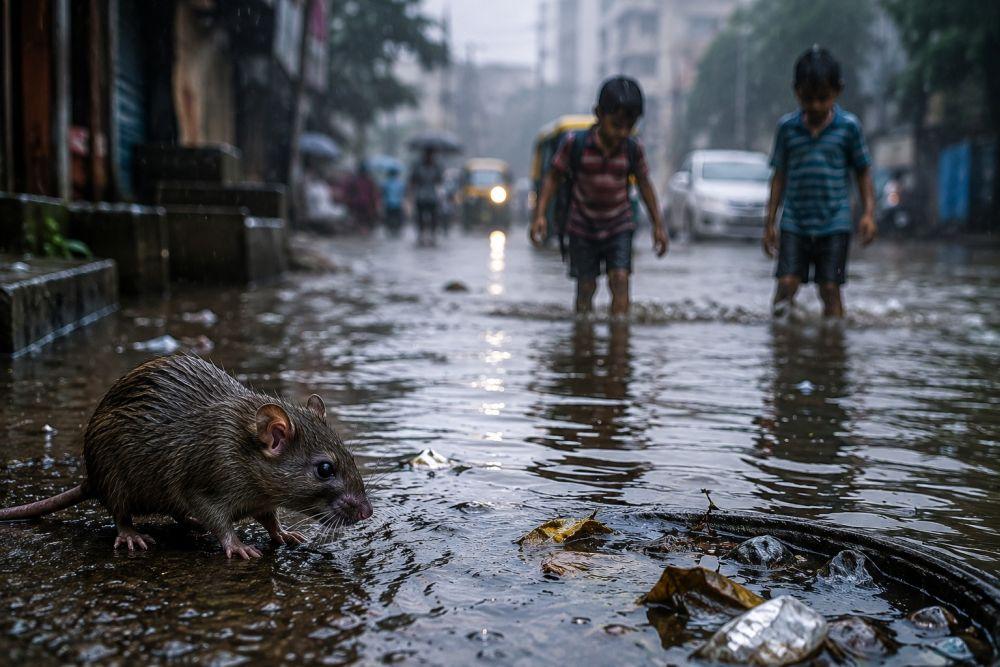
With heavy rain leaving several parts of Ranchi waterlogged, concerns are growing over the spread of leptospirosis, commonly known as rat fever. More than 130 cases have reportedly been detected in the city during July and August, according to a private hospital. However, the state health department has not yet officially confirmed the figure.
The concern comes at a time when stagnant rainwater has become a common sight in several parts of Ranchi. Apart from disrupting traffic and daily life, waterlogging can also increase the risk of infections, particularly when the water comes into contact with soil or surfaces contaminated by infected animals.
Leptospirosis is caused by bacteria of the Leptospira group. The infection can spread to humans through contact with water or soil contaminated by the urine of infected rats and other animals. The bacteria can enter the body through cuts, wounds or scratches on the skin. Contact with the eyes, nose or mouth can also provide a route for infection.
Children require particular attention during the rainy season. Playing in stagnant water or walking barefoot through flooded areas can increase their exposure to contaminated water. Parents should discourage children from entering such areas and ensure that their hands and feet are thoroughly cleaned if accidental contact occurs.
Dr Soni Sinha, director of Rani Hospital, said that more than 130 patients tested positive for leptospirosis at the hospital during July and August. According to her, all of the patients recovered after receiving treatment and were discharged.
Dr Kiran Kumar, a paediatrician at RIMS, said the early symptoms of leptospirosis can resemble those of common viral or seasonal infections, making the disease difficult to identify initially. Symptoms may include high fever, headache, severe body aches, chills, vomiting, weakness and redness of the eyes.
In more serious cases, the infection can affect vital organs, particularly the kidneys and liver. Reduced urine output, persistent vomiting, extreme weakness, yellowing of the skin or eyes, or a rapidly worsening condition should not be ignored and require prompt medical attention.
Health officials at Sadar Hospital have also urged residents to remain cautious during the rainy season. People who develop persistent fever or severe body pain after coming into contact with stagnant or potentially contaminated water should consult a doctor rather than assuming that they are suffering from an ordinary seasonal illness.
Ranchi is also facing the seasonal threat of diseases such as dengue and malaria. Since several infections can initially produce similar symptoms, people with persistent fever should avoid self-medication and seek proper medical advice.
Preventive measures can significantly reduce the risk of leptospirosis. Residents should avoid unnecessary contact with stagnant water, wear waterproof footwear if entering flooded areas is unavoidable, and cover cuts or wounds properly. Children should be kept away from dirty standing water, while water accumulating around homes should be drained whenever possible.
The reported rise in leptospirosis cases is another reminder that the impact of monsoon waterlogging goes beyond traffic disruptions. With stagnant water potentially becoming a breeding ground for several health risks, greater awareness and timely medical attention are essential to keep Ranchi's residents safe during the rainy season.



© Copyright
Reporter Post.All Rights Reserved |
Powered by: Aptilogic Software |
 |
Page rendered in 0.0903 seconds.
|
Page rendered in 0.0903 seconds.