Sat, August 29, 2026


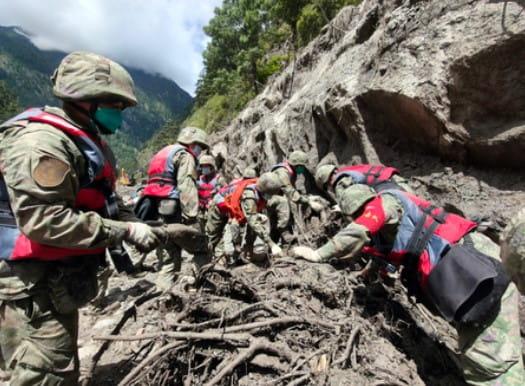
Photo: IANS
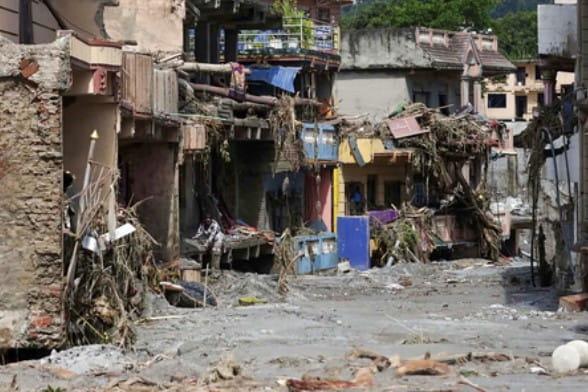
The death toll from the devastating flash floods in Nepal has risen to 616, with hundreds of people still reported missing as search and rescue operations continued across several affected districts on Saturday.
According to local officials cited by The Kathmandu Post, police had recovered 233 bodies in Chitwan, 158 in Nawalparasi East, 48 in Gorkha, 47 in Nawalparasi West, 45 in Dhading, 41 in Nuwakot, 31 in Tanahun and 13 in Rasuwa as of 6 a.m. on Saturday.
The toll is expected to rise further as rescue teams reach areas that remain difficult to access and continue searching riverbanks and debris-covered locations.
Police teams are working alongside local residents and other government agencies to locate missing people and rescue those stranded in dangerous areas. Survivors are being moved to safer locations, while teams are also working to remove debris and landslide material from roads so that relief supplies and emergency services can reach affected communities.
The disaster began with a massive flash flood in Rasuwa on Wednesday. The flood originated in the Tibetan region of China before surging through the transboundary Bhote Koshi River and causing widespread destruction in Nepal.
As floodwaters moved downstream, bodies were recovered from areas along the Bhote Koshi and Trishuli river systems. Rasuwa, Nuwakot, Dhading, Chitwan, Gorkha, Tanahun and both Nawalparasi East and West have been among the worst-affected areas.
The scale of the disaster has also prompted Nepal to reconsider its initial position on international assistance. The government had earlier indicated that domestic rescue teams were capable of handling the emergency and had not planned to allow foreign rescue teams to participate.
However, according to The Kathmandu Post, the administration subsequently agreed to accept limited international assistance and foreign expertise as the rescue operation expanded.
India has been among the countries providing immediate support to Nepal. Indian nationals reportedly account for the largest number of people listed as missing in the latest records of the Nepal Tourism Board.
India's third relief flight arrived in Nepal on Friday, carrying 10 tonnes of humanitarian assistance as well as an 11-member medical and tunnel rescue team. The consignment included portable generators, dignity kits, food packets and water purification tablets.
India had also handed over a second consignment of 37.5 tonnes of humanitarian assistance and disaster relief material, including medicines and food packets, on Thursday.
The continuing recovery of bodies from multiple river systems highlights the widespread impact of the floods and the difficulties facing rescuers. With roads blocked by landslides and debris and several areas still requiring access, authorities face a race against time to locate survivors and account for those who remain missing.
The immediate priority is now to reach isolated communities, restore road connectivity and provide food, clean water, medical assistance and shelter to people displaced by the disaster, while rescue teams continue the grim search for those still unaccounted for.



© Copyright
Reporter Post.All Rights Reserved |
Powered by: Aptilogic Software |
 |
Page rendered in 0.1094 seconds.
|
Page rendered in 0.1094 seconds.