Sat, August 29, 2026


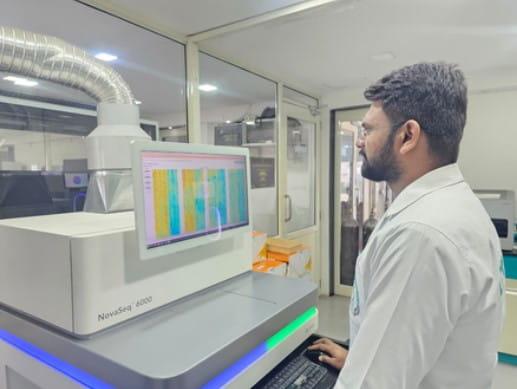
Photo: IANS
Gujarat is taking an unusual but increasingly science-driven approach to finding and developing sporting talent, turning to DNA analysis alongside traditional performance testing as it prepares for the 2030 Commonwealth Games.
The state has launched a Sports Genomics Programme that will study athletes’ genetic, physiological and performance data to build a more evidence-based system for talent identification, training, nutrition and injury management.
The programme is being implemented by the Gujarat Biotechnology Research Centre (GBRC) under the Department of Science and Technology. The state plans to analyse around 2,000 athlete samples this year and build a database of approximately 10,000 samples over the next five years. Gujarat has described it as India’s first state-level Sports Genomics Programme.
Science and Technology Minister Arjun Modhwadia said the initiative would bring genomics together with sports science, physiology and nutrition to give athletes a more comprehensive support system.
“Gujarat is the first state in India to launch a Sport Genomics Programme,” he said, adding that the project aims to make the process of identifying and developing sporting talent more scientific.
The first samples have already been collected from tennis players associated with the Gujarat State Tennis Association. The next phase is expected to cover athletes in archery, fencing, judo and shooting associated with the Vijayi Bharat Foundation.
At the heart of the project is whole-genome sequencing, which will allow researchers to examine genetic variations that may be linked to characteristics relevant to sporting performance. These include endurance, power, muscle composition, metabolism, response to exercise, recovery and susceptibility to certain injuries.
However, officials have made it clear that the programme is not based on the idea that DNA alone can predict sporting success.
P. Bharathi, Secretary of the Department of Science and Technology, said traditional talent identification is generally based on physical measurements, coaching assessments and performances in trials. The new model would add genetic and biological information to those existing methods.
The research will also examine areas such as nutrigenomics, lifestyle genomics, exercise response, injury risk, personality-related traits and circadian rhythms. Researchers hope this information can eventually contribute to more personalised approaches to training, diet and recovery.
Digvijaysinh Jadeja, Mission Director of the Gujarat State Biotechnology Mission, said whole-genome sequencing would be particularly relevant to athletes competing in endurance- and power-based disciplines. Researchers will also investigate genetic markers that could potentially be associated with athletic performance and sports-related injuries.
The programme is designed to cover a broad range of disciplines. These include athletics, swimming, boxing, wrestling, judo, taekwondo, gymnastics and fencing, as well as team sports such as football, hockey, handball, volleyball and basketball. Badminton, table tennis, tennis, kabaddi, kho-kho, archery, shooting and even chess are also part of the wider plan.
Athletes under 14, those aged 14 to under 18 and those above 18 are proposed to be included, with state and national champions among the priority groups.
A major component of the initiative will be the proposed Gujarat Athlete Genome Database (G-AGD), which is expected to combine genetic information with physiological measurements and sporting-performance records. Over time, such a database could help researchers study how different genetic and environmental factors interact in athletic development.
Potential applications include talent identification, injury-risk assessment, recovery planning and personalised training and nutrition. Bioinformatics tools could also be used to develop models examining possible links between genetic profiles and sporting performance.
Scientists involved in the project have stressed an important limitation: there is no single “sports gene” that determines whether someone will become a successful athlete. Athletic ability is influenced by a complex combination of genetics, training, coaching, nutrition, psychology, environment, access to facilities and social support.
That distinction is particularly important when dealing with young athletes. A genetic profile should not become a substitute for opportunity, coaching or an athlete’s own performance and potential.
The programme is also expected to raise important questions around privacy because genetic information is highly sensitive. The proposed safeguards include informed consent, data security, controlled access and measures to protect athlete identities. A two-level barcoding system has been proposed to help maintain confidentiality as the database grows.
GBRC already has significant genomic research infrastructure, including sequencing, genomic analysis and high-performance computing facilities. The centre has also advertised research positions for the sports genomics project.
With Gujarat preparing for the 2030 Commonwealth Games, the initiative represents an ambitious attempt to bring biotechnology into high-performance sport. Its long-term success, however, will depend not simply on collecting thousands of DNA samples, but on how accurately the information can be interpreted and how responsibly it is integrated with coaching, sports science and the actual performance of athletes.
If implemented carefully, the project could give Gujarat a valuable research resource while helping move talent identification beyond a one-time trial towards a more continuous and personalised assessment of athletes.




© Copyright
Reporter Post.All Rights Reserved |
Powered by: Aptilogic Software |
 |
Page rendered in 0.0719 seconds.
|
Page rendered in 0.0719 seconds.