Thu, September 24, 2026

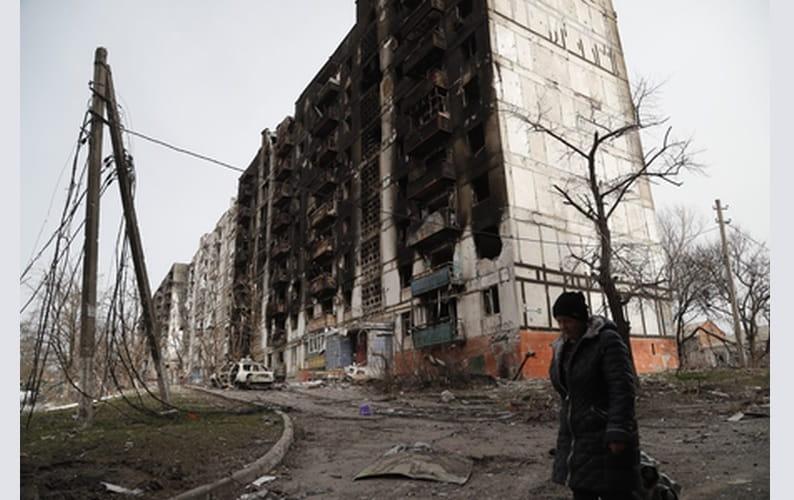
Photo: IANS
The United States is prepared to explore a limited ceasefire between Russia and Ukraine covering energy infrastructure and grain, US Secretary of State Marco Rubio said, while stressing that both sides view attacks on energy-related targets as part of their broader war effort.
Speaking to reporters on the sidelines of the United Nations General Assembly, Rubio said both Moscow and Kyiv had shown interest in a narrowly focused arrangement involving energy and grain.
“I think both sides have expressed an interest in some limited ceasefire that involved grain and energy,” Rubio said, adding that Ukrainian President Volodymyr Zelensky had raised the idea publicly as well as during discussions with US officials.
Rubio did not announce a formal US proposal and said there was no agreement between Russia and Ukraine to begin negotiations on such a ceasefire. He said the issue had nevertheless been discussed in US contacts with both sides, including talks involving US officials Steve Witkoff and Jared Kushner in Moscow and discussions with Zelensky.
He said Washington would be willing to contribute if it could play a constructive role in advancing such an arrangement.
A limited ceasefire would not amount to an end to the wider conflict, Rubio acknowledged, but could reduce some of the war’s effects on other countries and potentially provide a starting point for broader negotiations.
The biggest obstacle, he said, is that the term “energy targets” has different implications for Russia and Ukraine.
Ukraine has targeted Russian refineries and oil and gas facilities, which are important sources of revenue for Moscow. Russia, meanwhile, has repeatedly attacked Ukraine’s electricity infrastructure, threatening power supplies as the country heads towards winter.
“So when you talk about energy, it means two things to different people,” Rubio said.
Both sides regard some of these targets as connected to military objectives, making a narrowly defined agreement difficult even if there are potential benefits for each side.
Rubio said attacks affecting Russia’s oil and gas infrastructure can have consequences beyond the battlefield because of their potential impact on global energy markets. Russian strikes on Ukraine’s power grid, meanwhile, have an immediate effect on civilians and essential services.
The Secretary of State did not disclose whether Washington had specifically asked either side to halt particular attacks. When asked whether the US had pressed Russia as well as Ukraine to stop such strikes, Rubio responded: “How do you know we haven’t asked Russia to stop?”
He said protecting Ukraine’s electricity supply would be a central concern for Kyiv, while Moscow was dealing with attacks deep inside Russian territory against important industrial facilities. The competing interests make an agreement difficult, but also provide a reason to continue discussions, Rubio said.
Rubio described the latest US contacts as part of an ongoing diplomatic process rather than a major breakthrough. He declined to provide details of the conversations but said it was nevertheless significant that discussions had taken place.
“I think it was significant that at least there was a conversation,” he said.
Separately, Rubio said there had been no discussion of a new summit between US President Donald Trump and Russian President Vladimir Putin. He said Washington had invited Putin to attend the G20 and that the gathering could provide an opportunity for the two leaders to speak if the Russian President attended.
Rubio did not link a possible Trump-Putin meeting at the G20 to any potential ceasefire arrangement.



© Copyright
Reporter Post.All Rights Reserved |
Powered by: Aptilogic Software |
 |
Page rendered in 0.0144 seconds.
|
Page rendered in 0.0144 seconds.