Wed, October 14, 2026

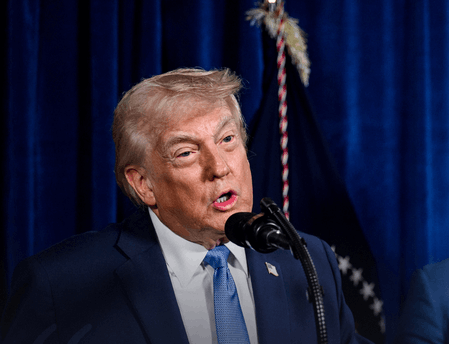
High-stakes nuclear negotiations between the United States and Iran have ended without an agreement, with Donald Trump now backing what his administration calls a “final and best offer” to Tehran.
Speaking after nearly 21 hours of intense discussions in Islamabad, US Vice President JD Vance confirmed that Washington has put forward its last proposal and is awaiting Iran’s response.
“We leave here with a very simple proposal… our final and best offer. We’ll see if the Iranians accept it,” Vance said.
Direct White House Involvement
Vance highlighted Trump’s hands-on role throughout the negotiations, noting that the President was in constant contact with the US delegation during the marathon talks.
According to him, Trump instructed negotiators to engage sincerely but maintain firm boundaries. “Come in good faith and make your best effort to get a deal,” was the directive from the White House.
Core Disagreement: Nuclear Commitments
Despite multiple rounds of substantive discussions, both sides failed to bridge critical differences—particularly over Iran’s nuclear programme.
The US is demanding a long-term, verifiable commitment that Iran will not pursue nuclear weapons or develop capabilities that could enable rapid weaponisation. However, Washington believes Tehran has not yet provided sufficient assurances on this front.
“We need to see a fundamental commitment—not just for now, but long term,” Vance emphasised.
Stalemate Despite Flexibility Claims
While the US side maintains it showed flexibility during negotiations, it insists that its “red lines” remain non-negotiable. Iran, according to Vance, chose not to accept these terms.
The talks also involved close coordination with the broader US national security team, reflecting the high strategic stakes involved.
What Next?
With diplomacy at an impasse, the situation remains uncertain. The US has effectively put the ball in Iran’s court by presenting its final offer, but whether Tehran responds positively—or tensions escalate further—will shape the next phase of this critical geopolitical standoff.
With inputs from IANS



© Copyright
Reporter Post.All Rights Reserved |
Powered by: Aptilogic Software |
 |
Page rendered in 0.013 seconds.
|
Page rendered in 0.013 seconds.