Sun, September 27, 2026

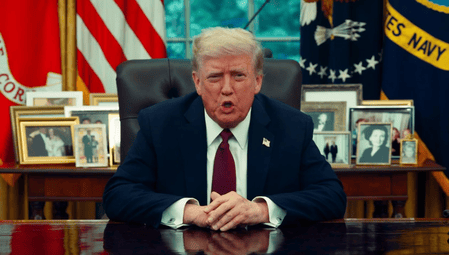
New York — Tensions between Donald Trump and NATO escalated sharply after the US President criticised member nations as “cowards” for refusing to support efforts to reopen the strategically vital Strait of Hormuz.
In a post on Truth Social, Trump warned allies that he would “remember” their reluctance to assist, asserting that “without the USA, NATO is a paper tiger.” He accused member countries of complaining about rising oil prices while failing to contribute to securing the key maritime route.
The dispute comes amid a deepening crisis linked to the conflict with Iran, which has effectively choked access through the strait—a narrow passage through which roughly 20 per cent of the world’s energy supplies flow. The disruption has triggered a global surge in oil and gas prices, impacting economies worldwide, including the United States.
Trump’s remarks highlight growing strain within the alliance, long considered the cornerstone of Western collective defence since World War II. His stance has been marked by mixed signals—at times claiming the US does not need allied support, while also seeking specific assistance such as minesweepers to maintain safe navigation in the strait.
The situation has been further complicated by Washington’s decision to enter the Iran conflict alongside Israel without prior consultation with NATO partners. Some European leaders have described the conflict as a “war of choice” rather than a defensive necessity.
French President Emmanuel Macron made it clear that France would not participate in operations related to reopening the strait under the current circumstances, stating that his country is not a party to the conflict.
Trump has repeatedly expressed frustration over NATO’s burden-sharing, noting that the US contributes a larger share of the alliance’s budget and pushing members to increase defence spending to 5 per cent of GDP.
At the same time, NATO countries remain focused on security challenges closer to home, particularly the ongoing impact of Russia's invasion of Ukraine, which continues to dominate Europe’s strategic priorities.
The widening divide underscores a fundamental disagreement over military commitments and global priorities, raising concerns about cohesion within the alliance at a time of heightened geopolitical instability.
With inputs from IANS



© Copyright
Reporter Post.All Rights Reserved |
Powered by: Aptilogic Software |
 |
Page rendered in 0.0089 seconds.
|
Page rendered in 0.0089 seconds.