Sat, September 26, 2026
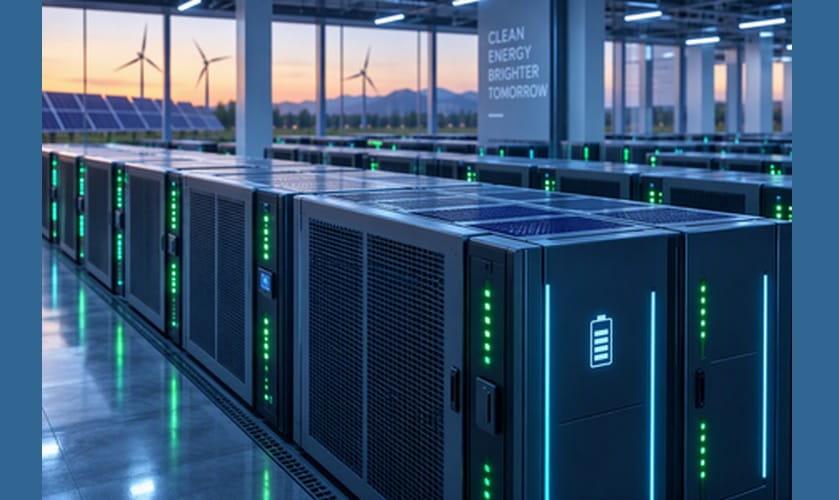
Photo: IANS
India must take a coordinated approach to battery manufacturing, deployment, reuse and recycling to build a resilient, self-reliant and circular battery ecosystem, experts and policymakers said at a national conference in New Delhi.
The discussions highlighted the growing importance of giving electric vehicle (EV) batteries a second life after they are no longer suitable for use in vehicles. Experts said repurposing such batteries for other applications could extend their useful life, reduce waste and unlock additional economic value.
“The conversation must also go beyond mobility and explore the potential of second-life applications for EV batteries, which can help maximise their value and utilisation beyond their initial use in vehicles,” said Dr Vibha Dhawan, Director General, The Energy and Resources Institute (TERI).
The TERI conference brought together policymakers, industry representatives, researchers and other stakeholders to examine the opportunities and challenges emerging across India’s rapidly expanding battery value chain.
Vijay Mittal, Joint Secretary, Ministry of Heavy Industries, said the government is working to strengthen domestic manufacturing and supply chains while also advancing areas such as battery traceability, standards, second-life applications and recycling.
The potential uses for batteries retired from electric vehicles extend well beyond mobility. Kuldeep Rana, Scientist E at the Ministry of New and Renewable Energy (MNRE), said second-life batteries could be deployed in applications such as home appliances, rooftop solar photovoltaic systems and uninterruptible power supply (UPS) systems.
The conference also focused on the wider battery value chain, including scaling up domestic Advanced Chemistry Cell (ACC) manufacturing, supporting the growth of electric mobility and preparing the infrastructure needed for battery reuse, repurposing and recycling.
AK Saxena, Senior Director at TERI, said India’s priority should be to increase value creation within the country rather than simply expanding production volumes.
He stressed that batteries should be designed for circularity from the outset, while greater confidence in second-life products would depend on clearly assessing their remaining capacity, reliability and performance.
Vinayak Walimbe, Managing Director of the India Energy Storage Alliance (IESA), also called for higher domestic value addition to create a stronger and more competitive battery industry.
The discussions extended beyond batteries to the electricity system that will support the country's growing electrification. Sugandhita Wadhera, Senior Manager at BSES Rajdhani Power Ltd, said state-level capacity planning, stronger payment-security mechanisms and greater availability of flexible resources at the distribution level would be essential for managing peak demand and creating a more resilient power system.
With electric mobility and renewable energy expanding simultaneously, experts said India’s battery strategy will increasingly need to look beyond manufacturing capacity and address the entire lifecycle of batteries — from design and domestic production to reuse, repurposing and eventual recycling.



© Copyright
Reporter Post.All Rights Reserved |
Powered by: Aptilogic Software |
 |
Page rendered in 0.0107 seconds.
|
Page rendered in 0.0107 seconds.