Tue, June 16, 2026





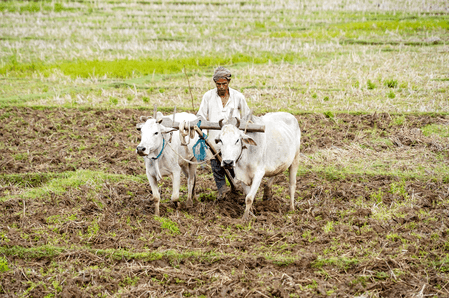
New Delhi- India is better equipped to cope with the effects of a potentially weak monsoon and the possible emergence of El Niño conditions this year, thanks to improved reservoir storage, record foodgrain stocks and long-term structural changes in the economy, according to a report released on Monday.
A report by CareEdge Ratings said that despite concerns raised by the India Meteorological Department over monsoon performance, India’s ability to withstand weather-related disruptions has improved considerably over the years.
The report noted that reservoir storage levels stood at 30.4 per cent of full capacity in May 2026, significantly higher than the average 25.1 per cent recorded during previous El Niño years between 2015-16 and 2023-24.


In addition, wheat and rice buffer stocks reached record levels at the end of April, providing a strong safeguard against supply disruptions and food inflation.
The IMD has forecast rainfall at 90 per cent of the Long Period Average (LPA) during the southwest monsoon season, indicating below-normal rainfall across the country. It has also warned of a high likelihood of El Niño conditions developing during the monsoon months.
According to the report, the Indian economy is now less dependent on monsoon outcomes due to significant structural changes over the decades. Agriculture’s share in Gross Value Added (GVA) has fallen from 53.2 per cent in FY1951 to 16.8 per cent in FY2026, while the services sector has emerged as a much larger contributor to economic growth.
The report also highlighted a substantial improvement in irrigation coverage, which has increased from 17.1 per cent of the gross sown area in FY1951 to 60 per cent in FY2024, reducing agriculture’s reliance on rainfall.

Government initiatives aimed at promoting climate-resilient farming have also strengthened the sector. Between 2014 and 2025, as many as 2,996 climate-resilient crop varieties were released to help farmers cope with changing weather patterns.
Furthermore, diversification within agriculture towards livestock, fisheries and allied activities has enhanced the sector’s overall resilience.
While CareEdge Ratings cautioned that a weak monsoon could still impact farm incomes, rural consumption and food prices, it said the broader macroeconomic impact is expected to remain manageable. However, it noted that localised disruptions in certain regions cannot be ruled out.
With inputs from IANS





| 14-09-2018 | ||||||
| Sl No. | Parameters | Actual Data(µg/m3) | Standard Limit(µg/m3) |
|---|---|---|---|
| 1 | PM 10 | 64 | 100 |
| 2 | PM 2.5 | 33 | 60 |
| 3 | SO2 | 55.3 | 80 |
| 4 | NO2 | 58.2 | 80 |
| 14-09-2018 | ||||||
| Station | Temperature(degree centigrade) | Rainfall(mm) | Relative humidity(%) | |||
|---|---|---|---|---|---|---|
| Max | Min | Past 24 hrs. | Since 1st March, 2018 | Max | Min | |
| Ranchi | 31.0 | 22.5 | 000.0 | 1010.1 | 95 | 66 |
| Jamshedpur | 34.1 | 26.2 | 000.0 | 1252.8 | 87 | 58 |
| Bokaro | 33.5 | 24.6 | 015.2 | 824.0 | 92 | 79 |
| Daltonganj | 32.6 | 24.9 | 004.2 | 960.9 | 95 | 67 |
© Copyright
Reporter Post.All Rights Reserved |
Powered by: Aptilogic Software |
 |
Page rendered in 0.1041 seconds.
|
Page rendered in 0.1041 seconds.