Sat, August 22, 2026


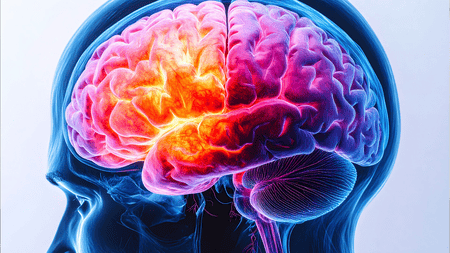
New Delhi: Women who experience their first periods earlier and menopause later — leading to a longer reproductive span — may enjoy healthier brain ageing and a reduced risk of dementia, according to a recent study.
The research highlights how the length of a woman’s reproductive years can influence brain health later in life, and points to the possible protective role of the hormone oestradiol.
Oestradiol, a potent form of estrogen, increases at puberty, remains elevated during the reproductive years, and then drops sharply during menopause. This decline has been linked to an increased risk of age-related brain disorders, including dementia.
“These findings support the idea that oestradiol — the most potent and common form of estrogen during a woman’s reproductive years — may help protect the brain as it ages,” said lead researcher Eileen Lueders, Associate Professor at the University of Auckland’s School of Psychology.
The study suggests that hormone-based health interventions, such as hormone replacement therapy before or shortly after menopause, could help lower the risk of Alzheimer’s and other cognitive issues in some women.
Researchers used a machine learning model to analyze both cross-sectional and longitudinal data from 1,006 postmenopausal women who underwent brain scans (MRI) twice over a period of about two years.
Results showed that women who had their first periods earlier, reached menopause later, and had a longer reproductive window showed slower signs of brain ageing.
Published in the journal GigaScience, the study adds to the growing body of evidence suggesting oestradiol plays a role in maintaining brain health. However, Lueders noted that the effects observed were modest and that hormone levels were not directly measured in the study.
She emphasized that other factors — including genetics, lifestyle, and overall health — also play important roles in how the brain ages.
Lueders hopes future research will involve more diverse participants and include direct hormone measurements to gain a clearer understanding of how oestradiol and other influences contribute to women’s brain health.
With inputs from IANS




© Copyright
Reporter Post.All Rights Reserved |
Powered by: Aptilogic Software |
 |
Page rendered in 0.0736 seconds.
|
Page rendered in 0.0736 seconds.