Wed, October 14, 2026
India's economic strength rests on its millions of small shopkeepers, retailers, micro, small and medium enterprises (MSMEs), and cottage industries. When traders in villages, towns and small cities can conduct business without fear of excessive regulatory intervention or complicated paperwork, the country's economy becomes stronger. The far-reaching decisions taken at the 57th GST Council meeting mark a significant step in this direction, reflecting the government's emphasis on building a tax system based on trust and compliance.
Under Prime Minister Narendra Modi's leadership, the Modi 3.0 government's commitment to ease of doing business centres on simplifying business operations and reducing unnecessary government intervention.
Moving towards a trust-based tax system
For years, small traders have faced uncertainty over the possibility of arrest and prosecution for procedural lapses. The GST Council has recommended significant changes, including removing the direct arrest-related provisions under Section 69. It has also proposed raising the prosecution threshold from Rs 1 crore to Rs 5 crore and reducing the general penalty from Rs 25,000 to Rs 10,000. The decision not to issue notices in tax cases involving amounts below Rs 10,000 is also expected to reduce unnecessary litigation for small businesses.
These measures represent a shift towards a more transparent and trust-based tax administration, helping honest taxpayers focus on running their businesses rather than navigating complex legal procedures.
Simpler returns, lower compliance burden
The proposed Annual Return and Quarterly Payment (ARQP) mechanism for small traders with annual turnover of up to Rs 5 crore is another important reform. Frequent return filing and tax-related paperwork consume valuable time and resources, particularly for smaller enterprises with limited administrative support.
Simplifying these requirements would allow traders to devote more attention to business expansion, customer service and employment generation. Reduced compliance costs could also encourage more small businesses to operate within the formal economy.
Expanding digital markets and streamlining logistics
Enabling small traders and women entrepreneurs to access inter-state markets through e-commerce platforms could open new opportunities for business growth. Local artisans and producers in remote areas would gain greater access to customers across the country without necessarily having to establish separate physical offices or warehouses in other states.
At the same time, restricting unwarranted vehicle inspections during goods transportation and requiring credible intelligence and prior approval from senior officials for such checks could reduce delays and logistics costs. Faster movement of goods would improve supply-chain efficiency and strengthen the competitiveness of Indian businesses.
Faster refunds to support working capital
Access to working capital remains a major challenge for MSMEs. Faster processing of eligible GST refunds could ease cash-flow pressures and reduce businesses' dependence on short-term borrowing.
According to the proposals outlined in the article, 90 per cent of eligible refund claims would be issued automatically within three working days, while the deadline for processing applications would be reduced from 15 days to 10 days.
Broadening input tax credit (ITC) provisions for employee health and life insurance, plant and machinery, and input services could also influence investment decisions and operating costs. Such measures would need to be implemented effectively to translate policy changes into tangible benefits for businesses.
Balancing business growth and price stability
GST reforms also have implications for consumers and the wider economy. Lower tax rates on essential goods and improved logistics can help reduce cost pressures, while simpler procedures may encourage greater tax compliance and formalisation.
The article cites government figures indicating that the effective average tax rate on domestic supplies has declined to around 13.13 per cent, compared with 14.5 per cent before GST. It also points to continued double-digit revenue growth alongside an expanding tax base. These trends underline the importance of balancing taxpayer relief with sustainable revenue collection.
Ultimately, the success of GST reforms will depend on consistent implementation, clear communication and timely resolution of taxpayers' concerns. Simplifying compliance and ensuring predictable administration can help small enterprises invest, expand and create jobs.
The decisions associated with Prime Minister Narendra Modi and Union Finance Minister Nirmala Sitharaman reflect an approach that recognises small traders as important contributors to India's economic development. A tax system built on trust, transparency and ease of compliance can strengthen their confidence and help businesses across the country participate more fully in India's growth.
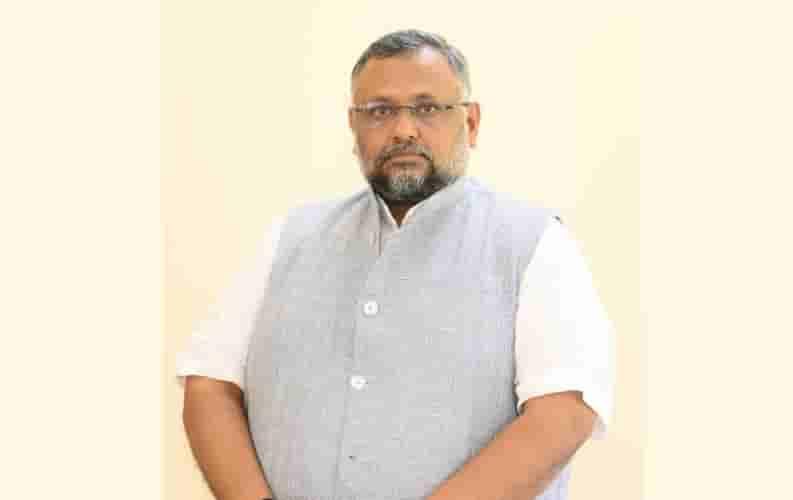
By Dr Pradeep Kumar Verma
*The author is the BJP's national secretary and a Rajya Sabha member.*



© Copyright
Reporter Post.All Rights Reserved |
Powered by: Aptilogic Software |
 |
Page rendered in 0.0119 seconds.
|
Page rendered in 0.0119 seconds.