Tue, November 03, 2026

Champions are not made on the podium. That is merely where the world gets to witness the years of hard work, discipline, dedication and determination behind their achievements. Every champion's journey involves countless hours of practice, the courage to push beyond personal limits and, most importantly, opportunities to recognise and develop their potential.
Guided by this belief, Tata Steel has been promoting sports for decades. The company views sports not merely as a pursuit of medals and victories, but as a way of life that builds character, confidence and resilience.
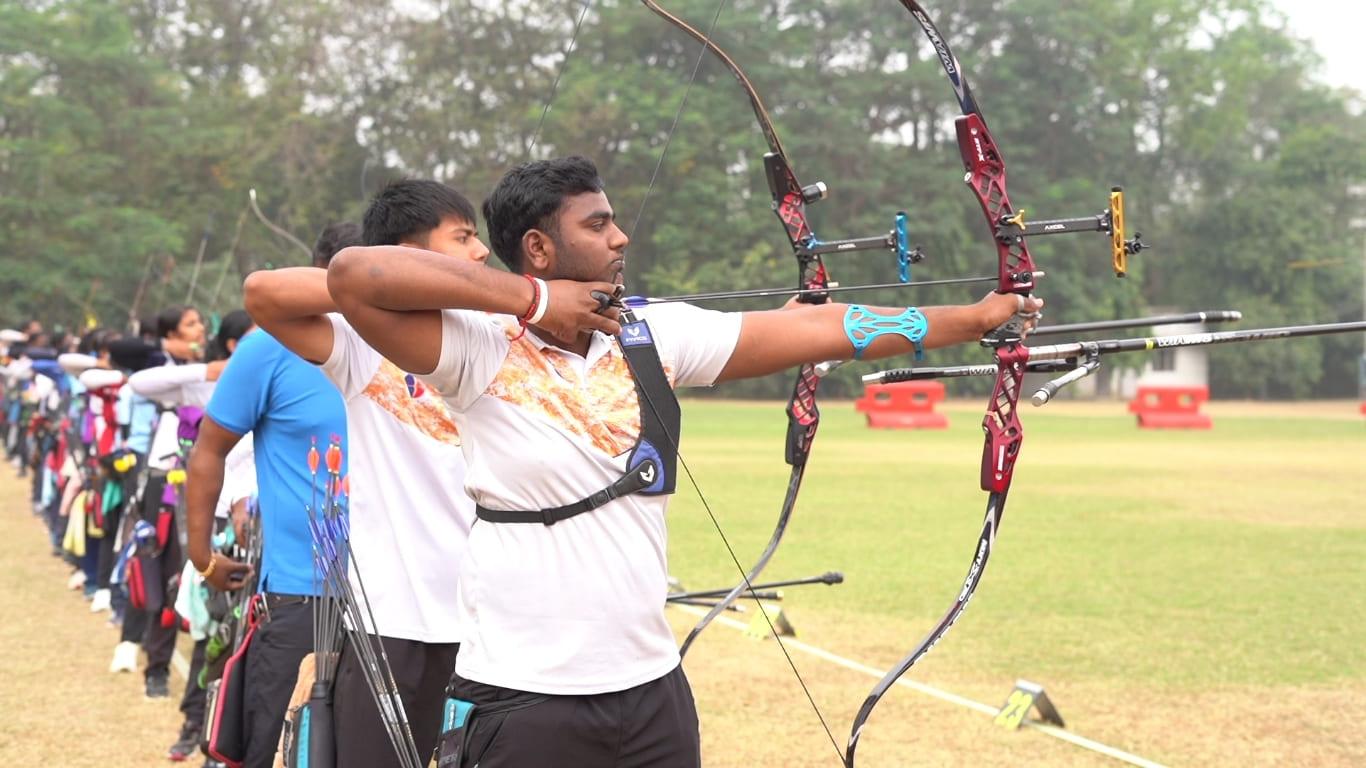
Its approach goes beyond identifying talented athletes. The focus is on creating an ecosystem where individuals get the opportunity to discover their abilities, develop their skills and realise their full potential. Whether it is a young person taking aim with a bow for the first time or attempting rock climbing for the first time, the aim is to provide an environment where new aspirations can take shape. Rather than simply searching for champions, the initiative seeks to create conditions in which champions can emerge.
This philosophy is reflected in the achievements of several generations of Indian athletes. Established in 1996 at the JRD Tata Sports Complex in Jamshedpur, the Tata Archery Academy has grown into one of the country's prominent institutions for archery training. Over the years, it has produced nine Olympians, nine Arjuna Award recipients and more than 150 international archers. Its legacy is reflected in the generations of athletes who have represented India at major international competitions.
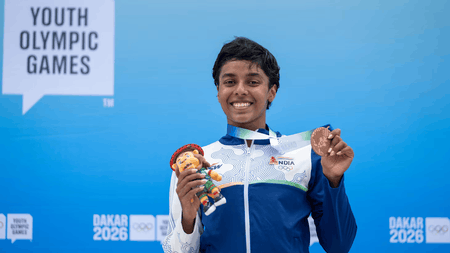
The academy's contribution has also been visible at the Asian Games over nearly two decades. The journey began with Jayanta Talukdar's bronze medal at the 2006 Doha Asian Games, continued with multiple bronze medals at Guangzhou in 2010 and included the women's team's bronze medal at Hangzhou in 2023. In 2026, Ankita Bhakat further strengthened this legacy by becoming part of India's gold medal-winning women's recurve team at Aichi-Nagoya.
The progression from bronze medals to gold reflects the importance of sustained training, expert guidance and a long-term commitment to sporting excellence.
However, a sporting legacy is not measured only by the number of champions an institution produces. It is equally defined by the opportunities it creates for the next generation.
Sport climbing, promoted through the Tata Steel Adventure Foundation (TSAF), is another example of this approach. Since 2015, the foundation has connected nearly 1,000 young people with the sport through a network of 16 grassroots centres. These centres provide a pathway for beginners to develop their skills, receive specialised training and prepare for higher levels of competition.
The impact of this initiative was evident at the 2026 Asian Games, where Joga Purty and Deepu Mallesh reached the finals of the speed climbing event. Both athletes also set new Indian national records, clocking 7.28 seconds and 5.09 seconds, respectively.
Their preparation included a special two-week training camp with a speed climbing coach from Thailand and international-level athletes. The programme helped them understand the technical requirements and competitive demands of international events.
Coming from a modest tribal family, Joga Purty's achievement carries significance beyond the record itself. His journey demonstrates how access to sporting facilities, proper guidance and sustained institutional support can help young talent reach international platforms. The experience has also given both climbers a renewed sense of purpose, with the Los Angeles 2028 Olympic Games emerging as a realistic long-term ambition.
Developing international-level athletes, however, requires much more than coaching alone. It calls for a comprehensive support system that addresses every aspect of an athlete's development.
Tata Steel's sports programmes therefore place emphasis on physical conditioning, sports science, nutrition, physiotherapy, injury rehabilitation and mental strength. Biomechanical assessments, video-based performance analysis and regular monitoring enable coaches to understand individual requirements and make necessary adjustments to training programmes.
Specialised infrastructure further strengthens this ecosystem. Dedicated archery facilities in Jamshedpur, a developing centre in Keonjhar, and sport climbing facilities in Jamshedpur and Bhubaneswar provide athletes with the resources needed to improve their performance and compete at higher levels.
The initiative also focuses on bringing international sporting exposure closer to young athletes. Hosting competitions such as the Asian Kids and Asian Youth Climbing Championships in Jamshedpur gives aspiring sportspersons an opportunity to witness international standards of competition and experience a global sporting environment in their own city.
Ultimately, the future of Indian sports cannot depend on a handful of champions alone. It will be shaped by thousands of young people who get the opportunity to participate, institutions that nurture their abilities and an environment that encourages them to dream beyond conventional boundaries.
From a young archer taking the first shot to a climber aspiring to compete at the Olympics, every sporting journey begins somewhere. What matters is providing the right opportunities, infrastructure and support to help these aspirations grow.
Through its sustained investment in sporting infrastructure, grassroots development and athlete support systems, Tata Steel is working towards building not just champions, but a broader sporting culture rooted in confidence, opportunity and ambition.
The vision goes beyond winning medals. It is about nurturing talent today and helping shape the future of Indian sports.




© Copyright
Reporter Post.All Rights Reserved |
Powered by: Aptilogic Software |
 |
Page rendered in 0.0093 seconds.