Mon, October 12, 2026
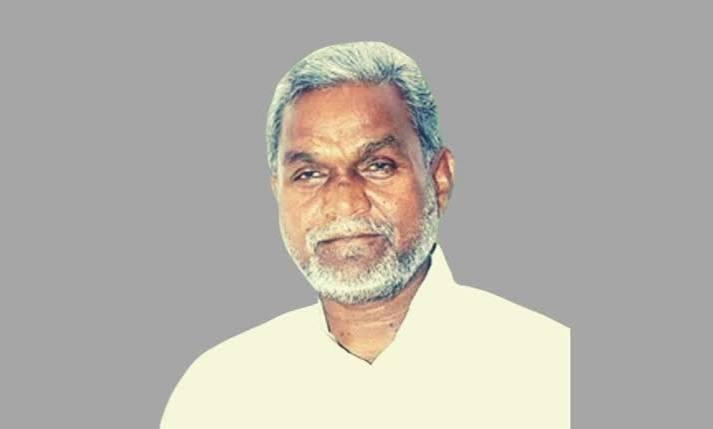
Former Jharkhand Chief Minister Champai Soren has stepped up his criticism of the state government over the MMDR Bill, alleging that the state’s mining-related cess is hurting the coal and iron ore industry and encouraging an environment in which illegal trade can flourish.
In a post shared on his social media account, Soren questioned why prices of minerals such as coal and iron ore in Jharkhand are significantly higher than in neighbouring states. He attributed the difference primarily to what he described as the state government’s arbitrary cess.
Citing thermal coal as an example, Soren said the price of G11-grade coal in Jharkhand stands at around Rs 2,458 per tonne, compared with Rs 1,741 in West Bengal and Rs 1,708 in Odisha. He argued that such a price gap could encourage buyers to source coal from neighbouring states, where it would be around Rs 700-750 per tonne cheaper.
Soren said that since mining companies operating in the sector largely have similar base costs, the significant difference in prices needs to be examined in the context of taxes and cess imposed by the state.
He alleged that the high cess could push buyers away from legitimate mining companies towards illegal suppliers. According to Soren, such transactions would deprive the state of revenue from royalty, the District Mineral Foundation Trust (DMFT), the National Mineral Exploration Trust (NMET) and GST, while benefiting what he described as "middlemen linked to those in power."
He further accused the state government of opposing the Centre’s efforts through amendments to the Mines and Minerals (Development and Regulation) Act, or MMDR Act, to curb illegal mining and mineral trade.
Soren alleged that attempts were being made to portray the proposed changes as an attack on Jharkhand’s rights and to create confusion among tribal and indigenous communities.
He also questioned the Congress-led state government’s position, pointing out that the party is in power in states such as Karnataka and Telangana but, according to him, similar taxes have not been imposed there. He asked why the issue was being treated differently in Jharkhand.
Raising the issue of revenue utilisation, Soren questioned how the money collected through cess over the past two years had been used to address pollution, displacement and other problems affecting mining-affected villages.
He argued that substantial revenue could instead have been invested in developing hundreds of smart villages and improving living conditions in areas affected by mining.
Soren said Jharkhand’s statehood movement was driven by the aspiration to improve the lives of tribal communities, indigenous residents and ordinary people who had remained deprived of development opportunities. He argued that excessive mining-related taxes could ultimately undermine that objective by making the state’s mineral resources less competitive.
Suggesting an alternative approach to increasing state revenue, the former chief minister said Jharkhand could follow Odisha’s model by opening new mines and generating additional revenue through royalty and auction premiums.
He claimed that the Centre has already cleared several such mining projects and questioned why they were being held back by the state government.
Soren warned that any attempt to turn Jharkhand into a hub for illegal mineral trade would face strong opposition. He said the issue would be taken up "from the streets to the Assembly" and promised that the alleged impact of the government’s policy would be brought before the people.
He also claimed that the current policy was causing significant losses to local mining companies, forcing several mines to shut down and putting thousands of jobs at risk.
According to Soren, the consequences of the policy would ultimately be borne by the people of Jharkhand through job losses, reduced industrial activity and slower economic growth.
His comments add to the growing political debate in Jharkhand over mineral taxation, mining regulation, state revenue and the Centre-state balance of powers under the MMDR framework.


© Copyright
Reporter Post.All Rights Reserved |
Powered by: Aptilogic Software |
 |
Page rendered in 0.0102 seconds.
|
Page rendered in 0.0102 seconds.