Tue, October 13, 2026

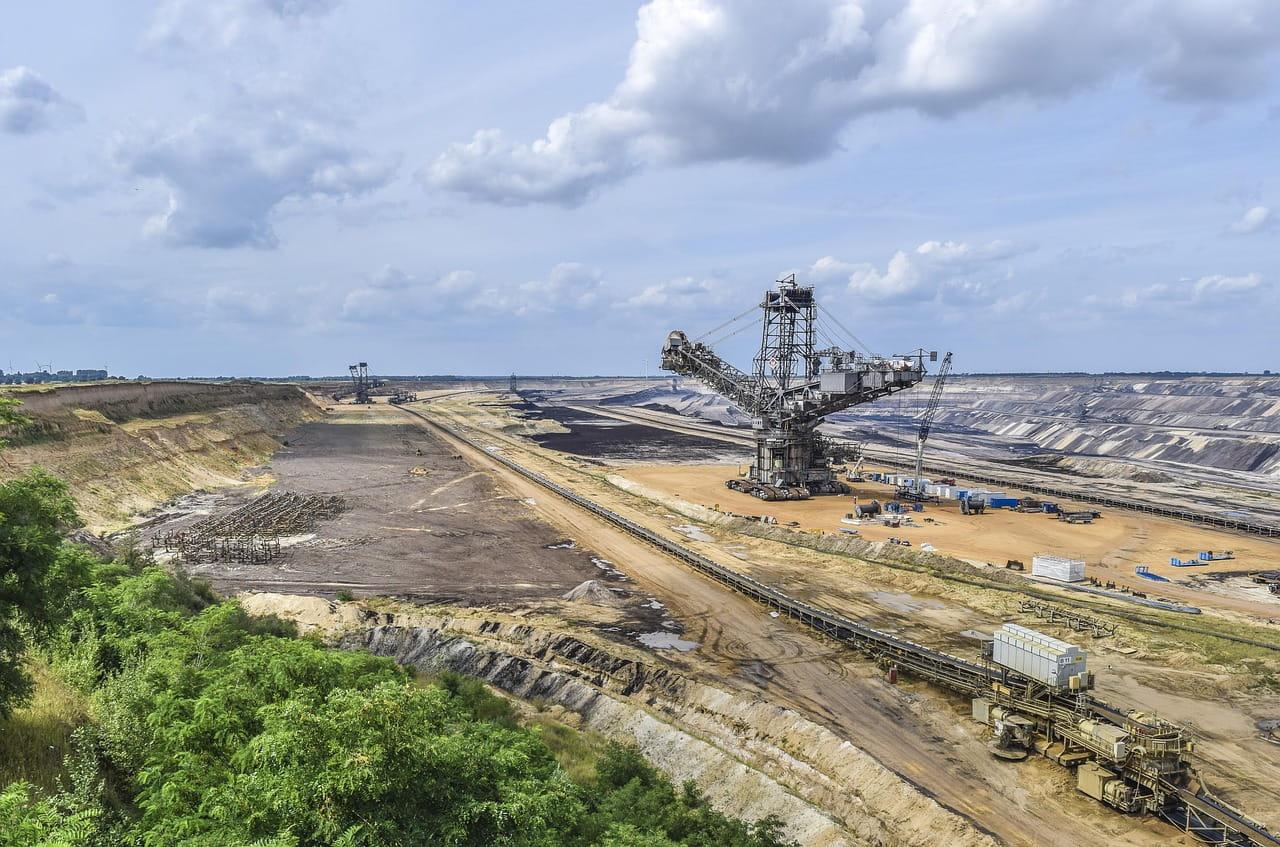
Photo: Pixabay
The Mines and Minerals (Development and Regulation) Amendment Bill, 2026 was passed by the Lok Sabha on Wednesday amid protests, setting the stage for a major change in the taxation of mineral resources. For mineral-rich Jharkhand, the proposed legislation could result in a significant loss of revenue and put additional pressure on the state’s finances.
The Bill seeks to prevent state governments from imposing additional taxes, cesses or other charges on mineral rights and mineral-bearing land. This provision could directly affect Jharkhand, which introduced a cess on mineral-bearing land through the Jharkhand Mineral Bearing Land Cess Act, 2024.
According to estimates cited in connection with the proposed changes, Jharkhand could face an annual revenue loss of around Rs 8,000-10,000 crore. Such a reduction could have implications for several welfare and development programmes, including the Mukhyamantri Maiya Samman Yojana, which relies on substantial government funding.
However, the Bill is not yet law. It still needs to clear the Rajya Sabha and receive the President’s assent before coming into force.
Under the proposed provisions, states would not be permitted to impose any additional tax, cess or other levy of their own on mineral rights or mineral-bearing land. Any taxation relating to mineral resources would have to operate within the framework, conditions and limits prescribed under central law, including the applicable royalty system.
The Bill also addresses taxes and cesses collected before the new law takes effect. Amounts already collected or deposited would not be refunded. The proposed restriction would therefore primarily affect future revenue collection rather than create an obligation to return money already received by the states.
The change could also have implications for Jharkhand’s long-standing demand for around Rs 1.36 lakh crore from the Centre in connection with mining-related dues. The state has repeatedly maintained that it is entitled to receive substantial amounts linked to mineral resources extracted from Jharkhand.
Centre says reform will bring stability
The Centre has defended the proposed amendment, saying it is aimed at bringing greater uniformity, clarity and stability to the mining sector. According to the government, a consistent taxation framework will improve the investment environment, encourage mining activity and contribute to economic growth and the broader goal of building a developed India.
The move, however, is likely to trigger a fresh debate over the financial powers of mineral-rich states and the distribution of revenue generated from natural resources. States such as Jharkhand, Odisha and Chhattisgarh, which depend significantly on mining-related revenues, could be particularly affected by any restriction on their ability to raise additional resources from mineral assets.
Why Jharkhand is particularly concerned
Jharkhand introduced the Jharkhand Mineral Bearing Land Cess Act, 2024 to levy a cess on mineral-bearing land. The move came after the Supreme Court’s 2024 ruling on the power of states to impose taxes on mineral rights and mineral-bearing lands.
Jharkhand was among the states that moved quickly to create a legal framework for such a cess. The state government had argued that the additional revenue could be used to strengthen social security, welfare programmes and development initiatives.
For Jharkhand, therefore, the issue is not merely about another source of government revenue. It is also linked to the state’s broader argument that communities and governments in mineral-producing regions should receive a greater share of the economic benefits generated from their natural resources.
If the amendment ultimately becomes law in its present form, Jharkhand may have to reassess its revenue projections and find alternative sources of funding for welfare and development programmes. The issue is consequently expected to remain a politically and legally sensitive matter between the state government and the Centre.



© Copyright
Reporter Post.All Rights Reserved |
Powered by: Aptilogic Software |
 |
Page rendered in 0.0126 seconds.
|
Page rendered in 0.0126 seconds.