Thu, August 06, 2026


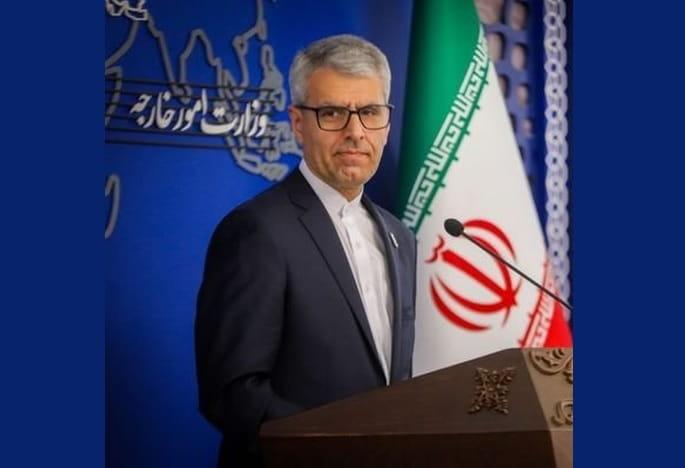
Islamabad: Pakistan has come under fresh criticism after introducing new rules governing foreign media, with the Human Rights Commission of Pakistan (HRCP) warning that the measures further restrict press freedom and tighten government control over independent journalism.
The criticism follows the introduction of the Foreign Media Facilitation Guidelines 2026, which require foreign journalists to obtain a No-Objection Certificate (NOC) from Pakistan's Ministry of Information and Broadcasting before travelling outside Islamabad, Lahore and Karachi for reporting assignments.
According to the new guidelines, all foreign media organisations operating in Pakistan, along with journalists, media professionals, freelancers, fixers, sponsors and other associated personnel, must follow revised registration and accreditation procedures, according to a report by Dawn.
Reacting to the move, the HRCP said the guidelines would not facilitate journalism but instead institutionalise bureaucratic control over news gathering and discourage independent reporting on issues of public interest.
The rights body said the latest regulations are part of a broader pattern of increasing restrictions on media in Pakistan, citing censorship, administrative hurdles and limitations on reporting that have steadily reduced the space for independent journalism.
According to the HRCP, requiring journalists to seek government approval before reporting from different parts of the country sends a message that critical reporting is unwelcome. It urged the Pakistani government to withdraw the measures and honour its constitutional and international commitments to protect freedom of expression.
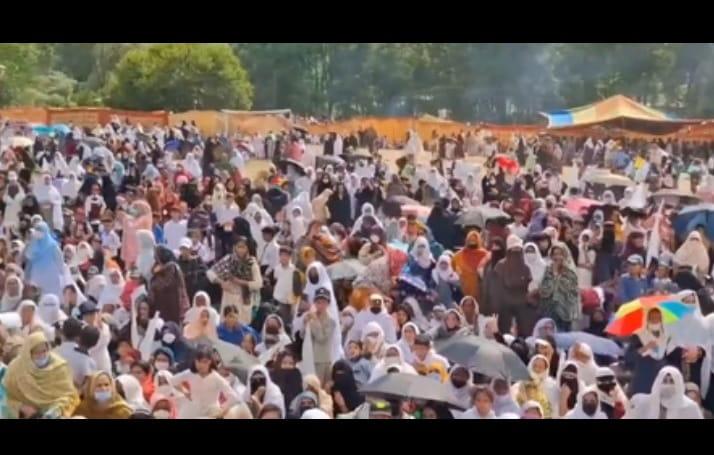
The latest restrictions come amid reports of escalating unrest in Pakistan-occupied Kashmir (PoK), where recent protests have reportedly resulted in dozens of deaths and hundreds of injuries. Rights groups and activists have alleged that Pakistani security forces launched a crackdown on peaceful demonstrators, drawing international criticism over alleged human rights violations.
Earlier this week, the Committee to Protect Journalists (CPJ) also expressed concern over the deteriorating conditions for journalists in the region. The organisation cited internet blackouts, telecommunications disruptions, restrictions on reporting, and reports of journalists being detained or going missing. It called on Pakistani authorities to end the crackdown on media personnel, restore access to information and allow independent reporting in PoK.
Separately, several social media users in Pakistan reported difficulties accessing the website of Al Jazeera, fuelling further debate over internet restrictions, media censorship and the public's access to independent sources of information during the ongoing unrest.
With inputs from IANS



| 14-09-2018 | ||||||
| Sl No. | Parameters | Actual Data(µg/m3) | Standard Limit(µg/m3) |
|---|---|---|---|
| 1 | PM 10 | 64 | 100 |
| 2 | PM 2.5 | 33 | 60 |
| 3 | SO2 | 55.3 | 80 |
| 4 | NO2 | 58.2 | 80 |
| 14-09-2018 | ||||||
| Station | Temperature(degree centigrade) | Rainfall(mm) | Relative humidity(%) | |||
|---|---|---|---|---|---|---|
| Max | Min | Past 24 hrs. | Since 1st March, 2018 | Max | Min | |
| Ranchi | 31.0 | 22.5 | 000.0 | 1010.1 | 95 | 66 |
| Jamshedpur | 34.1 | 26.2 | 000.0 | 1252.8 | 87 | 58 |
| Bokaro | 33.5 | 24.6 | 015.2 | 824.0 | 92 | 79 |
| Daltonganj | 32.6 | 24.9 | 004.2 | 960.9 | 95 | 67 |
© Copyright
Reporter Post.All Rights Reserved |
Powered by: Aptilogic Software |
 |
Page rendered in 0.1088 seconds.
|
Page rendered in 0.1088 seconds.