Tue, April 21, 2026
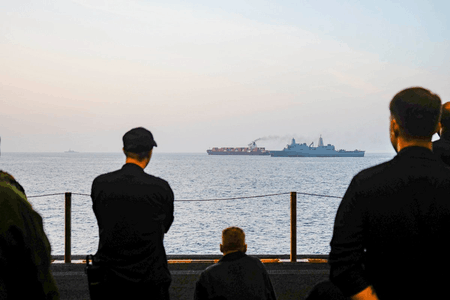
Washington — Efforts to revive dialogue between the United States and Iran appear to be losing momentum, as uncertainty clouds the next round of peace talks and Donald Trump adopts a tougher public stance ahead of a looming ceasefire deadline.
A proposed second round of negotiations, expected to be held in Pakistan, is now in doubt after Tehran signalled hesitation in participating. The development follows Washington’s seizure of an Iranian-flagged vessel, a move that has further strained already fragile diplomatic efforts.
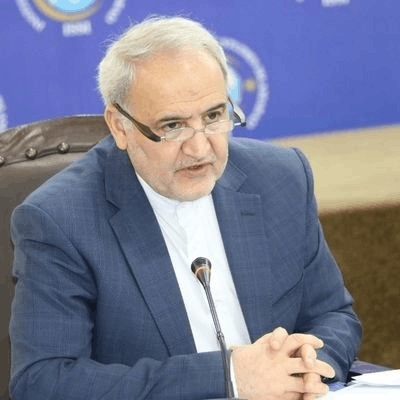
Iran’s Foreign Ministry spokesperson Esmaeil Baqaei said no final decision has been made regarding attending the talks, underscoring the uncertainty around the process.
The situation is made more urgent by the approaching end of a two-week ceasefire between Washington and Tehran, raising the risk of renewed hostilities if a deal is not reached in time.
Complicating matters further are Trump’s public remarks and social media posts, which, according to multiple reports, have disrupted sensitive negotiations. While both sides had reportedly been nearing common ground over the weekend, Trump’s claims that Iran had agreed to key terms—still under discussion—triggered pushback from Iranian officials.
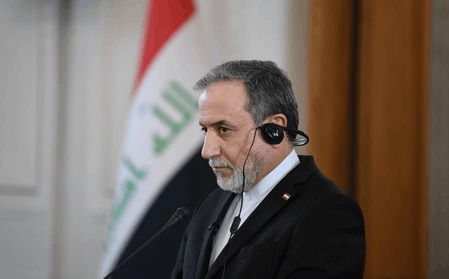
Tehran has rejected these assertions, with senior leaders reiterating that they will not negotiate under pressure. Mohammad Bagher Ghalibaf, a key figure in the process, stated that Iran would not accept talks conducted “under the shadow of threats.”
Adding to the tension, Trump has warned that failure to reach an agreement could lead to military strikes targeting critical infrastructure. Reports also suggest he is unlikely to extend the ceasefire beyond the current deadline, increasing pressure on both sides to act swiftly.
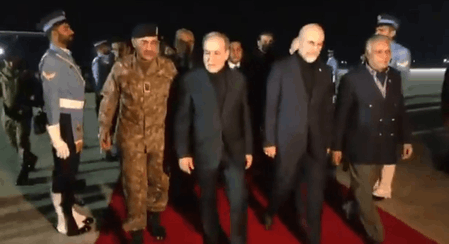
Despite the strained atmosphere, US officials have indicated that a delegation may still travel to Pakistan, although the timeline and level of participation remain unclear.
The outcome of these talks carries significant global implications, particularly for regional stability and energy markets, given Iran’s strategic position near the Strait of Hormuz, a vital corridor for global oil shipments.
With inputs from IANS




| 14-09-2018 | ||||||
| Sl No. | Parameters | Actual Data(µg/m3) | Standard Limit(µg/m3) |
|---|---|---|---|
| 1 | PM 10 | 64 | 100 |
| 2 | PM 2.5 | 33 | 60 |
| 3 | SO2 | 55.3 | 80 |
| 4 | NO2 | 58.2 | 80 |
| 14-09-2018 | ||||||
| Station | Temperature(degree centigrade) | Rainfall(mm) | Relative humidity(%) | |||
|---|---|---|---|---|---|---|
| Max | Min | Past 24 hrs. | Since 1st March, 2018 | Max | Min | |
| Ranchi | 31.0 | 22.5 | 000.0 | 1010.1 | 95 | 66 |
| Jamshedpur | 34.1 | 26.2 | 000.0 | 1252.8 | 87 | 58 |
| Bokaro | 33.5 | 24.6 | 015.2 | 824.0 | 92 | 79 |
| Daltonganj | 32.6 | 24.9 | 004.2 | 960.9 | 95 | 67 |
© Copyright
Reporter Post.All Rights Reserved |
Powered by: Aptilogic Software |
 |
Page rendered in 0.0676 seconds.
|
Page rendered in 0.0676 seconds.