Tue, April 21, 2026

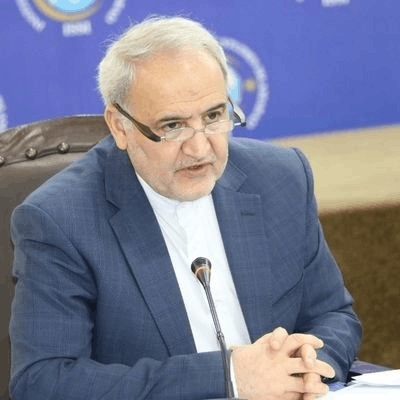
Washington: Iran has reiterated that it will not engage in negotiations under pressure, as diplomatic efforts with the United States remain uncertain.
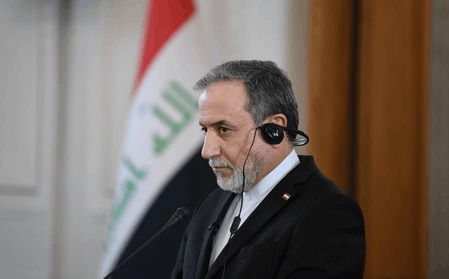
Iran’s Ambassador to Pakistan, Reza Amiri Moghadam, said in a post on X that talks cannot take place under coercion, stressing that a nation with a long civilisational history will not negotiate “under threat and force.”
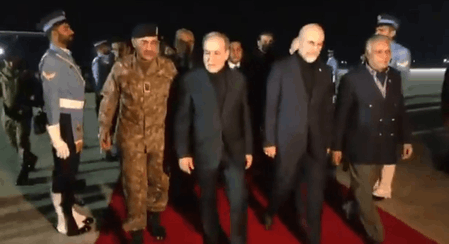
His remarks come as a fragile ceasefire—implemented on April 8 after 40 days of conflict—continues to hold, even as tensions persist. Pakistan has been facilitating indirect talks between Tehran and Washington, hosting an initial round in Islamabad on April 11–12. However, Iran has yet to confirm its participation in any further discussions.
Echoing the envoy’s stance, Iranian Parliament Speaker Mohammad Bagher Ghalibaf said Tehran would not accept negotiations “under the shadow of threats.” He accused US President Donald Trump of attempting to turn talks into what he described as a “table of surrender” through pressure tactics and alleged ceasefire violations.
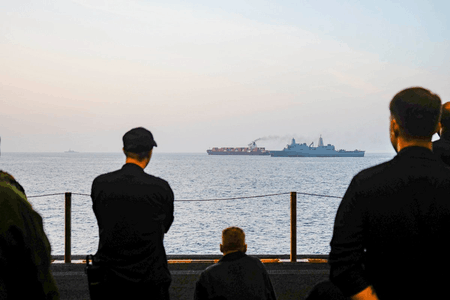
Iran’s Foreign Minister Seyed Abbas Araghchi also pointed to “provocative actions” by the United States as a major hurdle to peace efforts. In conversations with counterparts from Pakistan and Russia, he criticised actions against Iranian commercial shipping, including the reported seizure of a container vessel, and highlighted what he called contradictory signals coming from Washington.
According to reports, Iran’s participation in future talks will depend on the US meeting certain preconditions, including easing pressure measures such as a naval blockade and scaling back demands.
Araghchi added that Tehran will assess all aspects of the situation before deciding on the next steps, making it clear that any future engagement will be guided by Iran’s national interests and security concerns.
With inputs from IANS




| 14-09-2018 | ||||||
| Sl No. | Parameters | Actual Data(µg/m3) | Standard Limit(µg/m3) |
|---|---|---|---|
| 1 | PM 10 | 64 | 100 |
| 2 | PM 2.5 | 33 | 60 |
| 3 | SO2 | 55.3 | 80 |
| 4 | NO2 | 58.2 | 80 |
| 14-09-2018 | ||||||
| Station | Temperature(degree centigrade) | Rainfall(mm) | Relative humidity(%) | |||
|---|---|---|---|---|---|---|
| Max | Min | Past 24 hrs. | Since 1st March, 2018 | Max | Min | |
| Ranchi | 31.0 | 22.5 | 000.0 | 1010.1 | 95 | 66 |
| Jamshedpur | 34.1 | 26.2 | 000.0 | 1252.8 | 87 | 58 |
| Bokaro | 33.5 | 24.6 | 015.2 | 824.0 | 92 | 79 |
| Daltonganj | 32.6 | 24.9 | 004.2 | 960.9 | 95 | 67 |
© Copyright
Reporter Post.All Rights Reserved |
Powered by: Aptilogic Software |
 |
Page rendered in 0.0242 seconds.
|
Page rendered in 0.0242 seconds.