Thu, April 16, 2026

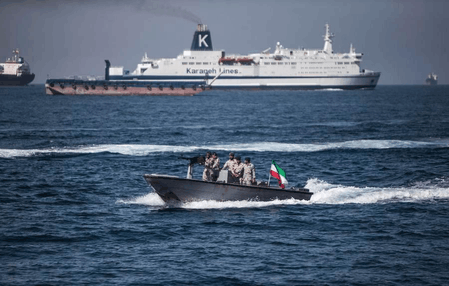
European nations are preparing a post-conflict plan to secure one of the world’s most critical oil routes—the Strait of Hormuz—without direct involvement from the United States, according to reports.
A Europe-led maritime security plan
The proposal, led by the United Kingdom and France, seeks to build a broad coalition to safeguard commercial shipping once tensions linked to the Iran conflict ease. Importantly, the plan excludes key parties such as the US, Israel, and Iran to maintain neutrality and avoid further escalation.
Emmanuel Macron has stressed that the mission would be defensive in nature, with European forces operating independently rather than under American command. The primary aim is to reassure global shipping companies and insurers that the route is safe to use again.
Key objectives of the mission
The proposed operation is structured around three main goals:
Clearing naval mines placed during the conflict
Assisting stranded vessels in exiting the strait
Deploying naval escorts and surveillance to ensure safe passage
The plan may involve coordination with regional stakeholders like Iran and Oman, suggesting diplomatic approval could be required before deployment.
Germany is expected to contribute despite its traditionally cautious stance on overseas military operations, potentially adding naval and surveillance capabilities.
Strategic context and differences with the US
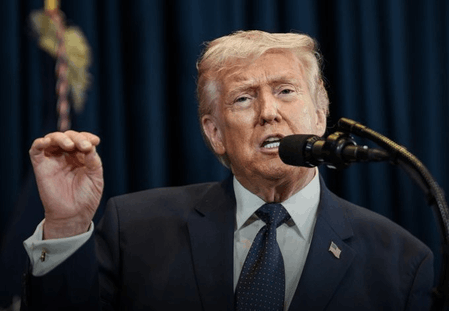
The proposal comes amid growing differences between Europe and Washington. Donald Trump has called on allies to take stronger action to reopen the strait, while European leaders have warned that aggressive measures could heighten risks, including missile threats to vessels.
The plan is partly inspired by the European Union’s Operation Aspides in the Red Sea, which coordinated naval escorts to protect commercial ships. However, the Hormuz initiative would remain separate from any US-led efforts.
Global implications
Major economies such as India and China have reportedly been invited to discussions, though their participation is yet to be confirmed.
The Strait of Hormuz carries about 20 per cent of the world’s oil supply, making its stability crucial for global energy markets. Any disruption directly impacts oil prices and supply chains worldwide.
A shift in global security roles
This initiative reflects a broader shift, with European countries preparing to take on greater responsibility for securing vital trade routes. It also signals evolving transatlantic dynamics, as Europe explores more independent security frameworks in response to changing geopolitical realities.
With inputs from IANS




| 14-09-2018 | ||||||
| Sl No. | Parameters | Actual Data(µg/m3) | Standard Limit(µg/m3) |
|---|---|---|---|
| 1 | PM 10 | 64 | 100 |
| 2 | PM 2.5 | 33 | 60 |
| 3 | SO2 | 55.3 | 80 |
| 4 | NO2 | 58.2 | 80 |
| 14-09-2018 | ||||||
| Station | Temperature(degree centigrade) | Rainfall(mm) | Relative humidity(%) | |||
|---|---|---|---|---|---|---|
| Max | Min | Past 24 hrs. | Since 1st March, 2018 | Max | Min | |
| Ranchi | 31.0 | 22.5 | 000.0 | 1010.1 | 95 | 66 |
| Jamshedpur | 34.1 | 26.2 | 000.0 | 1252.8 | 87 | 58 |
| Bokaro | 33.5 | 24.6 | 015.2 | 824.0 | 92 | 79 |
| Daltonganj | 32.6 | 24.9 | 004.2 | 960.9 | 95 | 67 |
© Copyright
Reporter Post.All Rights Reserved |
Powered by: Aptilogic Software |
 |
Page rendered in 0.0193 seconds.
|
Page rendered in 0.0193 seconds.