Thu, October 15, 2026

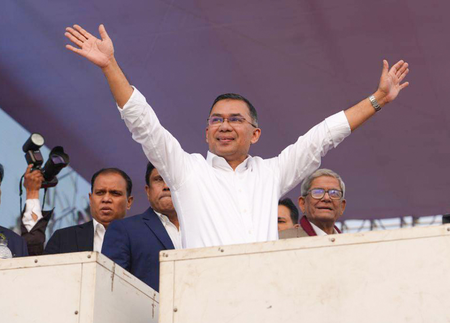
New Delhi - With Bangladesh’s general elections barely a month away, opinion polls indicate a clear victory for the Bangladesh Nationalist Party (BNP), led by Tarique Rahman. Despite this, both China and Pakistan continue to maintain close engagement with Jamaat-e-Islami, even as it is widely expected to finish second and remain in the Opposition.
Diplomatic and security analysts note that Beijing and Islamabad are fully aware of the BNP’s electoral advantage. However, Jamaat remains strategically important to both countries as a counterbalance to India’s influence in Bangladesh, irrespective of whether it forms the government.
Pakistani officials at multiple levels have reportedly stayed in touch with Jamaat leaders, while Indian agencies are closely monitoring developments following a recent meeting between Chinese Ambassador to Bangladesh Yao Wen and Jamaat-e-Islami Ameer Shafiqur Rahman.
Bangladesh watchers say China recognises that Jamaat will continue to wield influence even without electoral power, given its organisational strength, manpower and reach across several institutions. The party is also seen as capable of mobilising unrest, particularly in ways that could undermine Indian interests.
These engagements come amid India’s renewed outreach to the BNP leadership. External Affairs Minister S. Jaishankar recently attended the funeral of BNP founder Khaleda Zia and conveyed a condolence message from Prime Minister Narendra Modi, signalling an attempt to reset ties.
Officials suggest this diplomatic recalibration has unsettled both Pakistan and China. They are expected to rely on Jamaat post-elections to fuel protests and sustain political volatility in Bangladesh, thereby constraining any improvement in India–Bangladesh relations.
A volatile Bangladesh, officials say, poses serious challenges for India, particularly along the border, increasing pressure on security agencies to remain alert against infiltration and potential terror threats.
According to intelligence sources, Jamaat could be activated to generate unrest whenever Indian investments are announced or bilateral ties show signs of improvement. Its strong street presence, influence over student unions, and reported loyalists within the army and police make it a useful instrument for forces opposed to India’s role in the region.
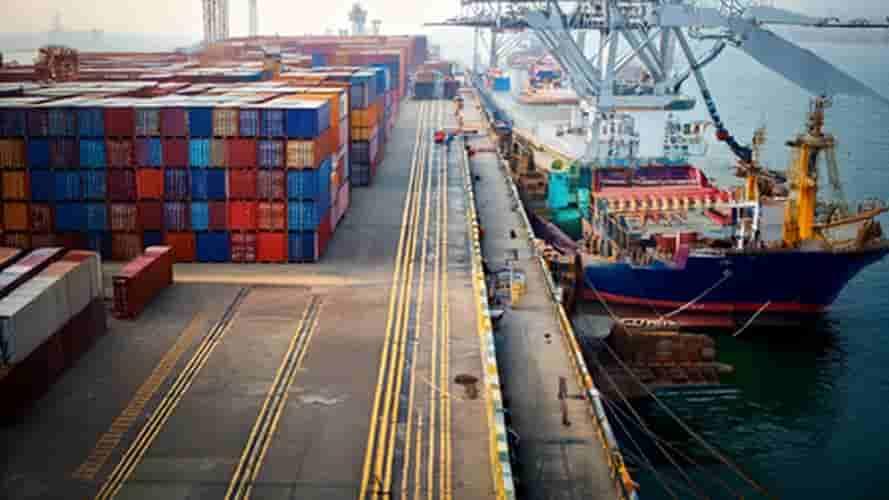
China and Pakistan, which have made substantial investments in Bangladesh under the Belt and Road Initiative (BRI), are also seeking assurances from Jamaat that any political violence will not disrupt their projects. Agencies anticipate significant unrest both before and after the polls, and Beijing and Islamabad are keen to shield their economic interests.
Officials claim Jamaat has provided assurances in this regard and remains willing to align with any force working against Indian interests.
By engaging Jamaat leadership, China and Pakistan are also believed to be sending a signal to the BNP that deviation from their strategic expectations—particularly on India—could invite instability through Jamaat-led mobilisation.
Under the current leadership of Muhammad Yunus, India–Bangladesh relations have reportedly hit a low point, a situation Beijing and Islamabad are keen to see continue even after the elections, officials added.
— IANS



© Copyright
Reporter Post.All Rights Reserved |
Powered by: Aptilogic Software |
 |
Page rendered in 0.0121 seconds.
|
Page rendered in 0.0121 seconds.