Thu, September 24, 2026

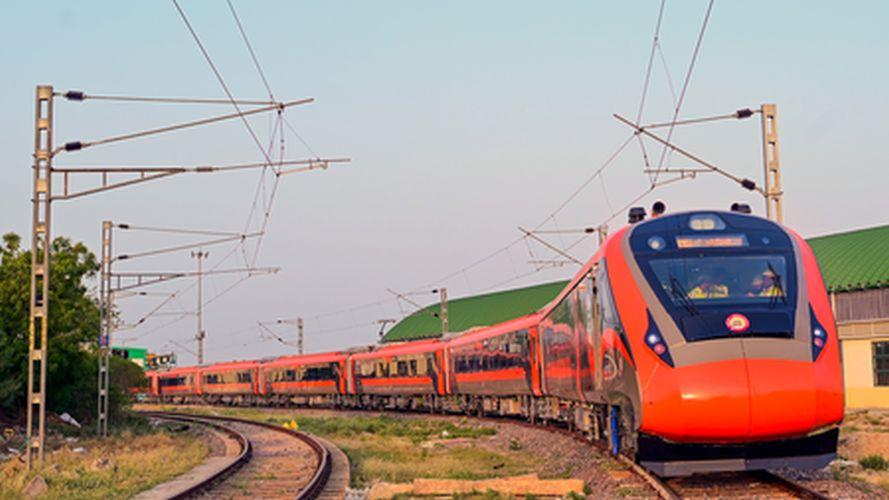
Photo: IANS
India’s expanding network of bridges, tunnels, expressways and modern rail services is reshaping the way people travel and connecting regions that were once separated by difficult terrain, long distances and slow transport links.
A government factsheet released on Thursday highlighted how major infrastructure projects are cutting travel times, shortening routes and improving all-weather connectivity across the country.
Bridges have played a particularly important role in overcoming major natural barriers such as rivers. The rail-cum-road bridge over the Brahmaputra, for instance, has significantly improved connectivity between Dhemaji and Dibrugarh in Assam. A journey that previously took almost a full day can now be completed in around one to two hours.
Similarly, the Mumbai Trans Harbour Link has established a direct road connection between Mumbai and Navi Mumbai, reducing the journey to around 20 minutes.
The Kosi Rail Mahasetu has brought another major change in Bihar. The rail journey between Nirmali and Saraigarh, which earlier took around eight hours and covered nearly 300 km, can now be completed in about 30 minutes over a route of roughly 22 km.
In Arunachal Pradesh, the 200-metre Sisseri River Bridge has reduced travel time between Pasighat and Roing by around five hours, strengthening the connection between the Dibang Valley and Siang regions.
Tunnels have emerged as another crucial component of India's strategy to overcome difficult terrain, particularly in the Himalayan states.
The 9.02-km Atal Tunnel bypasses Rohtang Pass and cuts the Manali-Sarchu route by 46 km, providing all-weather connectivity to Lahaul-Spiti. The 9-km Dr Syama Prasad Mookerjee Tunnel similarly avoids difficult stretches and reduces the travel distance by about 30 km, cutting the journey between Jammu and Srinagar by nearly two hours.
The Sela Tunnel in Arunachal Pradesh, built at an altitude of around 13,000 feet, has strengthened all-weather connectivity along the strategically important Tezpur-Tawang route.
At the same time, access-controlled expressways are changing the economics and experience of long-distance road travel by providing shorter alignments and allowing vehicles to maintain higher speeds.
The 82-km Delhi-Meerut Expressway has reduced the journey between the two cities from around two and a half hours to about 50 minutes. The 213-km Delhi-Dehradun Economic Corridor is expected to bring the travel time between Delhi and Dehradun down from more than six hours to around two and a half hours.
The Delhi-Mumbai Greenfield Expressway is being developed with the objective of reducing the road journey between the two major cities to around 12 hours, compared with roughly 33 hours earlier.
Railways are also undergoing a major transformation. Vande Bharat services and the country's first Vande Bharat Sleeper are aimed at reducing travel time while offering faster and more modern inter-city rail travel.
Another major project is the 508-km Mumbai-Ahmedabad High-Speed Rail Corridor. Designed for an operational speed of up to 320 kmph, the corridor will have 12 stations and include India's first undersea rail tunnel, running for around 7 km beneath Thane Creek. The first service is targeted for August 2027.
The government factsheet said seven High-Speed Rail corridors covering nearly 4,000 km were announced in the Union Budget 2026-27, with an estimated investment of Rs 16 lakh crore.
Taken together, these projects represent a shift in India's transport infrastructure from simply adding roads and railway lines to redesigning how people, cities and regions are connected. Faster crossings, shorter routes and improved all-weather access are particularly significant for remote and strategically important areas, where terrain has traditionally been one of the biggest obstacles to connectivity.



© Copyright
Reporter Post.All Rights Reserved |
Powered by: Aptilogic Software |
 |
Page rendered in 0.0085 seconds.
|
Page rendered in 0.0085 seconds.