Wed, September 16, 2026
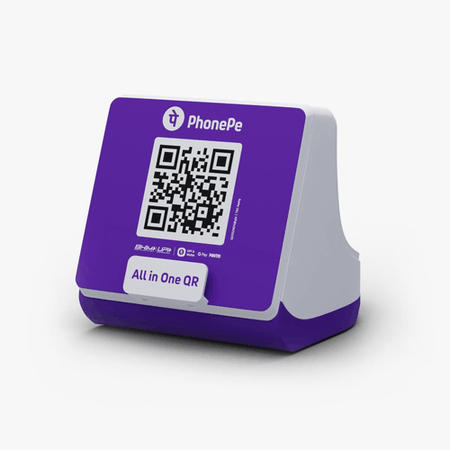
Photo: IANS
Political reactions have intensified following the introduction of a 0.4 per cent charge on certain UPI merchant transactions above Rs 2,000, with BJP MP Anurag Thakur defending the digital payments ecosystem and NCP(SP) spokesperson Clyde Crasto questioning the impact of the new charge on consumers.
Thakur said India’s digital payments infrastructure had gained international attention and highlighted the role of UPI in enabling small businesses, street vendors and individuals to accept digital payments.
“India’s digital transactions are now cited as an example across the world,” Thakur said, pointing to the widespread use of digital payments by roadside vendors, tea sellers and small shopkeepers.
Responding to criticism from the Congress, the BJP MP said the details of the new arrangement should be examined carefully. He also pointed to the exemption for transactions up to Rs 2,000 and claimed that there would be no transaction charge on 96 per cent of items even above that threshold.
NCP(SP) national spokesperson Clyde Crasto, however, criticised the move and argued that merchants could eventually pass the additional cost on to customers.
“The Bharatiya Janata Party government at the Centre has found yet another way to trouble people. Now they are saying that a tax will be imposed on UPI transactions,” Crasto said.
He argued that even though the charge is formally imposed on merchants rather than consumers, shopkeepers could seek to recover the additional expense by increasing prices or otherwise passing the cost on to customers.
The political exchanges follow a circular issued by the National Payments Corporation of India (NPCI) on Tuesday outlining charges applicable to certain UPI merchant transactions.
According to the circular cited in the debate, a 0.4 per cent charge will apply to eligible UPI payments received by merchants above Rs 2,000 per transaction. The charge is to be paid by merchants to banks and payment processors rather than directly by consumers.
The development has attracted attention because UPI is widely used for everyday payments across India, including purchases from small retailers, vendors and other merchants.
The key issue in the debate is therefore not a direct charge on consumers, but how merchants respond to the additional transaction cost and whether any part of it is eventually reflected in prices.
The final economic impact will depend on the implementation of the MDR framework, the categories of transactions covered and how the cost is distributed among merchants, banks, payment service providers and other participants in the UPI ecosystem.


© Copyright
Reporter Post.All Rights Reserved |
Powered by: Aptilogic Software |
 |
Page rendered in 0.0069 seconds.
|
Page rendered in 0.0069 seconds.