Wed, September 16, 2026

Photo: IANS
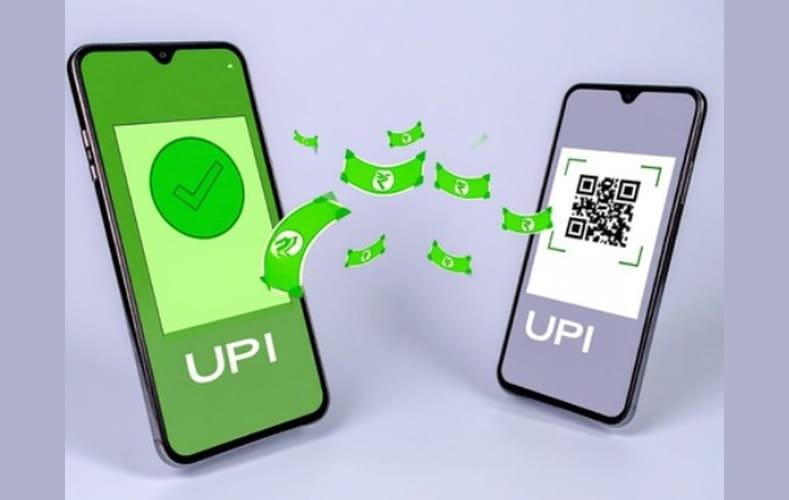
Zerodha CEO Nithin Kamath has backed the introduction of Merchant Discount Rate (MDR) on person-to-merchant UPI transactions, saying such a charge may have become inevitable as digital payments have expanded rapidly across India.
In a post on social media platform X, Kamath said introducing MDR could also encourage greater competition in the UPI ecosystem, where a small number of apps currently account for the overwhelming majority of transactions.
“I think MDR on UPI was probably inevitable at some point, especially given how widespread UPI adoption has become. It could also lead to more competition,” Kamath said.
At the same time, the Zerodha founder raised concerns about applying the proposed MDR structure to the investment and broking sector. He said brokers could incur UPI-related costs even when customer fund transfers do not ultimately result in a trade or generate revenue.
Kamath explained that customers can transfer money to their brokerage accounts through UPI without necessarily placing an order. Since brokers cannot require customers to trade after transferring funds, any UPI charge that cannot be passed on to customers could become an additional cost for the brokerage.
He illustrated the potential impact with an example, saying that if 10,000 customers made 50 UPI transfers of Rs 2 lakh each in a month without executing any trades, the resulting MDR could potentially cost a broker around Rs 2 crore.
He also pointed to the impact of SEBI’s quarterly settlement requirements, under which brokers have to return unused client funds. Customers may subsequently transfer the money back to their brokerage accounts, creating repeated UPI transactions without necessarily generating additional brokerage revenue.
According to Kamath, more than half of such fund transfers back to broking accounts are made through UPI. This, he argued, could leave brokers paying transaction charges repeatedly on the same pool of customer funds.
The comments come as UPI continues to play a central role in India’s digital payments ecosystem. While MDR can potentially create a revenue mechanism for participants in the payment system, Kamath’s comments highlight the need to consider how the structure affects sectors where UPI transfers are primarily used to move funds rather than directly make purchases.
For the broking industry, the key issue will therefore be whether the MDR framework can distinguish between genuine merchant payments and fund transfers that do not immediately generate commercial revenue.



© Copyright
Reporter Post.All Rights Reserved |
Powered by: Aptilogic Software |
 |
Page rendered in 0.0311 seconds.
|
Page rendered in 0.0311 seconds.