Wed, September 16, 2026
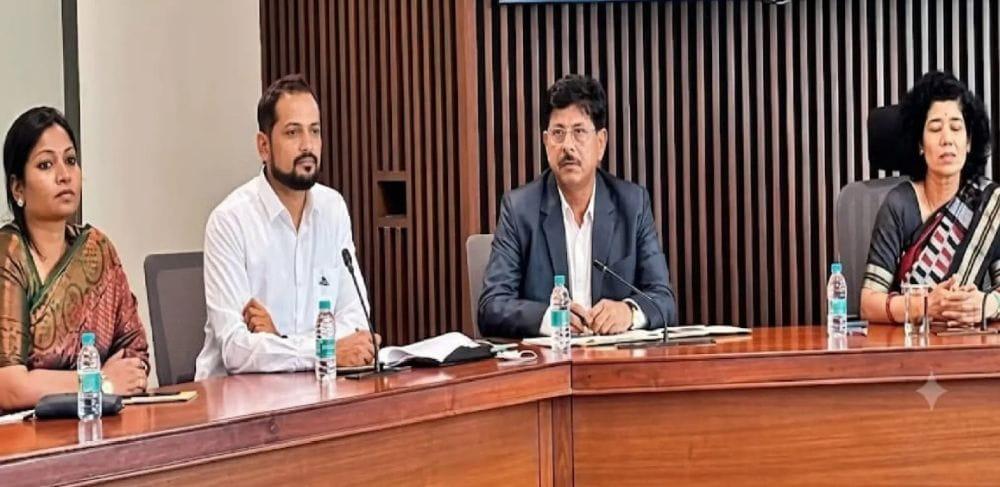
Photo: Reporter Post
Jharkhand is set to introduce an integrated healthcare model to address major non-communicable diseases such as cancer, diabetes, hypertension and heart disease through a single coordinated system. The model, prepared by the state government, has received approval from the Union Ministry of Health and Family Welfare.
Instead of running separate systems for screening, treatment and prevention of different diseases, the new approach will seek to bring these services together. The focus will be on early detection, timely treatment, prevention and follow-up care, with the aim of making healthcare delivery more coordinated and accessible.
With the implementation of the model, Jharkhand is set to become the first state in the country to adopt such an integrated approach for these health services, according to officials. The initiative is also expected to provide a framework that could potentially be replicated in other states after its impact is assessed.
The approval was given during a high-level meeting held at Kartavya Bhavan in New Delhi. Aradhana Patnaik, Additional Secretary and Mission Director in the Union Health Ministry, approved the model and directed officials to initiate its implementation in Jharkhand.
As the first step, a state-level workshop will be organised with officials from the health department, medical and public health experts, technical institutions and other stakeholders. The workshop will work out the operational framework for implementing and coordinating the various components of the programme.
The proposed system seeks to bring five national health programmes under one coordinated framework. These include the National Programme for Prevention and Control of Non-Communicable Diseases, National Oral Health Programme, National Tobacco Control Programme, National Programme for Palliative Care and National Mental Health Programme.
A key objective will be to reduce the need for patients to navigate multiple, disconnected services. Screening, diagnosis, treatment, referral and follow-up are proposed to be linked within the integrated system, potentially making it easier for patients to access appropriate care.
The initiative will also involve elected representatives, voluntary organisations and public sector undertakings alongside the government health machinery. Their participation is intended to expand screening and health-awareness activities, particularly in rural and underserved areas.
Early detection of cancer and prevention of diseases linked to tobacco use are expected to receive particular attention under the model. Following implementation, its outcomes will be evaluated to assess its effectiveness and determine whether the framework can be taken up by other states.


© Copyright
Reporter Post.All Rights Reserved |
Powered by: Aptilogic Software |
 |
Page rendered in 0.007 seconds.
|
Page rendered in 0.007 seconds.