Tue, September 22, 2026

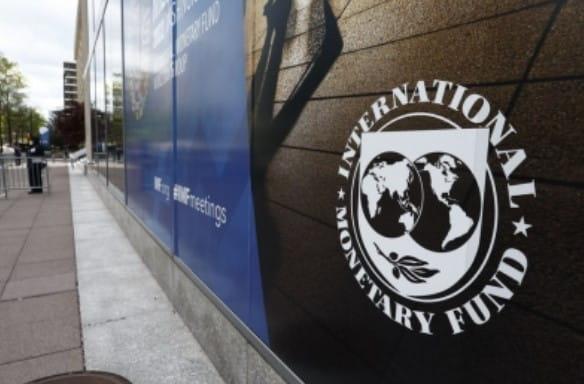
Photo: IANS
The International Monetary Fund (IMF) has yet to release the remaining funds under its loan programme for Bangladesh, as Dhaka works to complete a series of pending reforms in the financial sector, taxation and climate resilience, according to a report.
Bangladesh-based publication The Asian Age reported that the IMF has laid down nearly a dozen conditions that need to be addressed before the suspended programme can move forward. The requirements include reforms in the banking sector and legal framework, strengthening the capacity of the National Board of Revenue (NBR), and providing taxpayers with single-click access to relevant tax information.
The IMF has also called for changes to fuel and electricity subsidies, adoption of a more market-based foreign exchange rate and measures to strengthen Bangladesh's ability to deal with climate-related risks.
The Bangladeshi government is seeking an additional $2 billion in budget support while also looking to secure the remaining tranches of the existing $4.7 billion IMF programme.
An IMF Fiscal Affairs Department delegation recently visited Dhaka to assess progress on key reforms and examine the country's tax policies. The findings of the visit are expected to play an important role in determining the future of the lending programme.
According to the report, several reforms that remained incomplete under Bangladesh's previous IMF programme have now been carried forward into the new programme. As a result, the latest IMF engagement has involved not only an assessment of climate policies but also a broader review of the country's economic reform agenda.
The IMF's technical assistance mission also visited Bangladesh in July to assess the country's policies, financial systems and institutional capacity for addressing climate change. The findings are expected to be taken into account in discussions over a possible new lending arrangement.
Bangladesh has meanwhile introduced some changes aimed at integrating climate considerations into public financial management. Its recently released Public Financial Management Reform Strategy 2025-2030 includes climate-smart public financial management and gender-responsive budgeting for the first time.
The country's focus on climate spending has also increased. The FY26 budget has allocated nearly Tk 42,206.89 crore across 25 ministries for climate-related expenditure, equivalent to 10.09 per cent of the total budget allocation.
Bangladesh's Finance Secretary Dr Md Khairuzzaman Mozumder expressed hope that the IMF would take into account the country's difficulties in meeting all the conditions within the required timeframe.
Despite the outstanding reform commitments, he said the government remained hopeful that the IMF would release the funds in Bangladesh's favour.
The situation highlights the delicate balance Dhaka faces between securing urgently needed external financing and implementing reforms that could have significant implications for subsidies, taxation, banking and exchange-rate management. The outcome of the IMF's review is therefore likely to have a wider impact on Bangladesh's economic policy in the months ahead.



© Copyright
Reporter Post.All Rights Reserved |
Powered by: Aptilogic Software |
 |
Page rendered in 0.008 seconds.
|
Page rendered in 0.008 seconds.