Mon, September 28, 2026
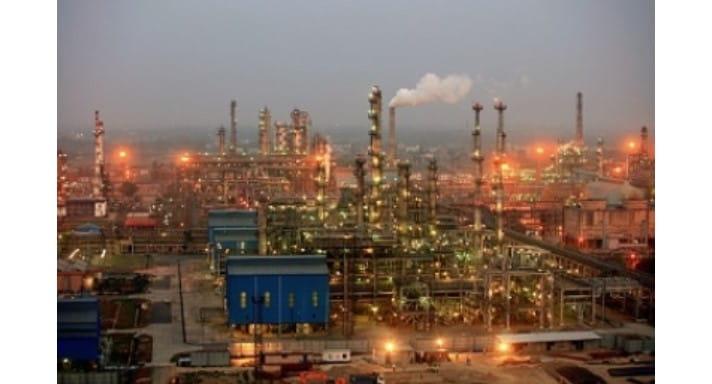
New Delhi- The Centre on Monday assured citizens that there is no shortage of petroleum products in the country despite the ongoing West Asia crisis, stating that India currently has 60 days’ stock of crude oil and natural gas, along with 45 days of LPG rolling stock.
The assurance came after the fifth meeting of the Informal Group of Ministers (IGoM) on West Asia, chaired by Defence Minister Rajnath Singh. The meeting reviewed the impact of the conflict and discussed measures to minimise its effect on citizens and the economy.
According to the government, India remains fully capable of meeting domestic fuel demand and continues to export petroleum products to more than 150 countries. The country is currently the world’s third-largest oil refiner and fourth-largest exporter of petroleum products.
Officials informed the meeting that for the Kharif 2026 season, fertiliser demand has been estimated at 390.54 lakh metric tonnes (LMT), while available stock currently stands at around 199.65 LMT — more than 51 per cent of the requirement, significantly above the normal level of about 33 per cent.
The government said there is no reason for panic buying or rushing to fuel stations. It added that while India has maintained stable fuel prices during the global crisis, oil marketing companies are facing heavy financial pressure due to rising international crude prices.
An official statement noted that oil companies are absorbing losses of nearly Rs 1,000 crore per day, with under-recoveries touching around Rs 2 lakh crore in the first quarter of 2026, so that the burden of soaring global fuel prices is not directly passed on to consumers.
Prime Minister Narendra Modi has appealed to citizens to use fuel judiciously and avoid wasteful consumption. He urged people to prefer public transport, metros, and carpooling to reduce petrol and diesel usage. The Prime Minister also encouraged citizens to avoid unnecessary foreign travel, promote domestic tourism, and refrain from non-essential gold purchases for a year to help conserve foreign exchange reserves.
Farmers were also encouraged to cut chemical fertiliser usage by 50 per cent, adopt natural farming practices, and shift towards solar-powered irrigation pumps instead of diesel-operated pumps.
The meeting was attended by several Union ministers, including Jagat Prakash Nadda, Hardeep Singh Puri, Ashwini Vaishnaw, Kiren Rijiju, Rammohan Naidu, Sarbananda Sonowal, and Jitendra Singh.
With inputs from IANS


© Copyright
Reporter Post.All Rights Reserved |
Powered by: Aptilogic Software |
 |
Page rendered in 0.0111 seconds.
|
Page rendered in 0.0111 seconds.