Tue, May 12, 2026
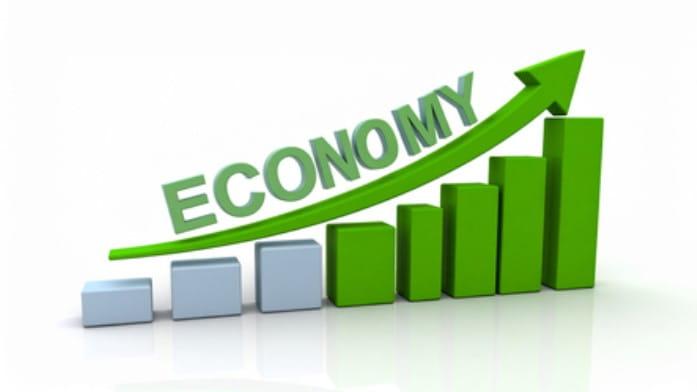
New Delhi: Prime Minister Narendra Modi’s call for a one-year economic adjustment framework is practical and achievable, according to a leading banking expert, who believes India can recover from short-term economic stress within the next several months if corrective measures remain in place.
Speaking to IANS, Dharmesh Bhatia, Director–Wealth Management at Emirates Investment Bank, said temporary disruptions are a normal part of economic cycles and can be offset through sustained policy support and macroeconomic stability.
“Three months of stress can be fully recovered over time,” Bhatia said, while explaining the logic behind the Prime Minister’s one-year adjustment appeal.
According to him, production and economic cycles are generally evaluated on an annual basis, where short-term shocks are expected to impact the following quarters before recovery gains momentum.
“The first three months is a stress period. This can impact the next six to nine months, but if corrective action is taken over that period, the initial loss can be fully recovered,” he told IANS.
Bhatia described the one-year framework as a practical “number-crunching approach” designed to balance immediate economic pressures with medium-term recovery prospects.
Commenting on the Prime Minister’s appeal to reduce non-essential gold purchases and encourage work-from-home practices, the expert said the government’s primary objective is to reduce import dependency and protect India’s foreign exchange reserves.
He noted that India’s trade deficit is heavily influenced by imports of crude oil, gold and electronics, making external vulnerabilities a major economic concern.
“The government is trying to ensure the economy does not come under additional stress. This is essentially an appeal to reduce imports and manage consumption,” Bhatia explained.
While gold imports can be moderated, he stressed that energy imports remain India’s biggest challenge.
“We can survive without gold, but we cannot survive without oil. Higher oil prices create a double impact through increased import bills and dollar outflows,” he said.
Bhatia added that such measures are intended to ease short-term consumption pressure, maintain macroeconomic stability and support a stronger recovery over the medium term.
With inputs from IANS




| 14-09-2018 | ||||||
| Sl No. | Parameters | Actual Data(µg/m3) | Standard Limit(µg/m3) |
|---|---|---|---|
| 1 | PM 10 | 64 | 100 |
| 2 | PM 2.5 | 33 | 60 |
| 3 | SO2 | 55.3 | 80 |
| 4 | NO2 | 58.2 | 80 |
| 14-09-2018 | ||||||
| Station | Temperature(degree centigrade) | Rainfall(mm) | Relative humidity(%) | |||
|---|---|---|---|---|---|---|
| Max | Min | Past 24 hrs. | Since 1st March, 2018 | Max | Min | |
| Ranchi | 31.0 | 22.5 | 000.0 | 1010.1 | 95 | 66 |
| Jamshedpur | 34.1 | 26.2 | 000.0 | 1252.8 | 87 | 58 |
| Bokaro | 33.5 | 24.6 | 015.2 | 824.0 | 92 | 79 |
| Daltonganj | 32.6 | 24.9 | 004.2 | 960.9 | 95 | 67 |
© Copyright
Reporter Post.All Rights Reserved |
Powered by: Aptilogic Software |
 |
Page rendered in 0.1365 seconds.
|
Page rendered in 0.1365 seconds.