Mon, September 28, 2026

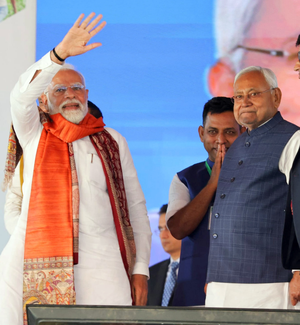
Patna — In a major push to infrastructure and connectivity in eastern India, Prime Minister Narendra Modi will lay the foundation stone for the second phase of the Varanasi-Gaya-Ranchi-Kolkata Expressway (NH-319B) during his visit to Bihar on Thursday.
Part of the ambitious Bharatmala Project, the expressway is a transformative initiative set to enhance road connectivity and boost economic activity across the states of Uttar Pradesh, Bihar, Jharkhand, and West Bengal.
The expressway will stretch 690 kilometers with a 36-meter width and will be Bihar’s first six-lane greenfield expressway.
It will begin at Barhauli near the Varanasi Ring Road in Uttar Pradesh, pass through the districts of Kaimur, Rohtas, Aurangabad, and Gaya in Bihar, before continuing through Jharkhand and ending in Kolkata.
Once completed, the expressway is expected to cut travel time between Varanasi and Kolkata from 12–14 hours to just 6–7 hours.
The total estimated cost of the project is Rs 35,000 crore, with approximately Rs 5,994 crore allocated for Bihar and Rs 1,200 crore specifically for Gaya district.
In Gaya, the expressway will pass through forested and formerly Naxal-affected areas in the blocks of Imamganj and Dumaria, covering 29 revenue villages across 33.5 kilometers. These include Anwar Salaiya, Barha, Chhakarbandha, Tarchua, and Dhakpahari—regions that were once hard to access due to insurgency.
A Rajasthan-based construction company has already started setting up a work center in the Chhakarbandha forest and a project office in Baseta to manage the project’s operations.
“Just a decade ago, people were hesitant to even visit Chhakarbandha because of Naxal influence. Today, this expressway is a symbol of development reaching such regions,” said local resident Rahul Manjhi, who also expressed disappointment that no interchange point was planned for Chhakarbandha.
Imamganj MLA Deepa Manjhi welcomed the project, calling it a turning point for the region’s development.
“This expressway will significantly improve connectivity between cities, reduce traffic congestion, and accelerate freight movement. It will also attract industrial development, create jobs, and stimulate economic growth,” she said.
With inputs from IANS



© Copyright
Reporter Post.All Rights Reserved |
Powered by: Aptilogic Software |
 |
Page rendered in 0.0092 seconds.
|
Page rendered in 0.0092 seconds.