Sat, September 05, 2026

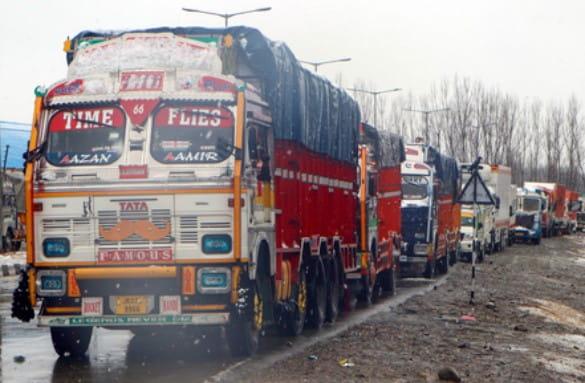
Photo: IANS
E-way bill generation rose 7.7 per cent year-on-year to 139.08 million in August, marking the third-highest monthly level on record and indicating continued momentum in goods movement and formal economic activity.
The August figure was 9.95 million higher than the 129.13 million e-way bills generated during the same month last year. However, generation declined marginally by 0.51 per cent from 139.79 million recorded in July.
August remained one of the strongest months for e-way bill generation, with only March, when 140.60 million e-way bills were generated, and July recording higher volumes.
E-way bills are electronic documents required under the Goods and Services Tax (GST) regime for the movement of goods valued at more than Rs 50,000, subject to specified conditions and exemptions.
The volume of e-way bills is closely watched as an indicator of goods movement and formal economic activity, as higher generation generally points to increased commercial transactions and demand.
Saurabh Agarwal, Tax Partner at EY India, said the continued rise in e-way bill generation reflected sustained momentum in the organised economy.
"The consistent upward trend is a strong signal of underlying economic resilience, driven by improved compliance, formalisation of business activity, and steady consumption demand across sectors," Agarwal said.
The latest data comes against the backdrop of firm domestic consumption. Official data released last week showed that private final consumption expenditure grew 7.1 per cent in the first quarter of FY27, indicating continued strength in domestic demand.
While the year-on-year growth in e-way bill generation has moderated compared with some earlier periods, the near-record monthly volumes suggest that movement of goods and formal business activity continue to remain robust.
The August numbers also point to sustained compliance with the GST framework, with businesses continuing to participate actively in the formal supply chain.



© Copyright
Reporter Post.All Rights Reserved |
Powered by: Aptilogic Software |
 |
Page rendered in 0.1103 seconds.
|
Page rendered in 0.1103 seconds.