Tue, September 29, 2026

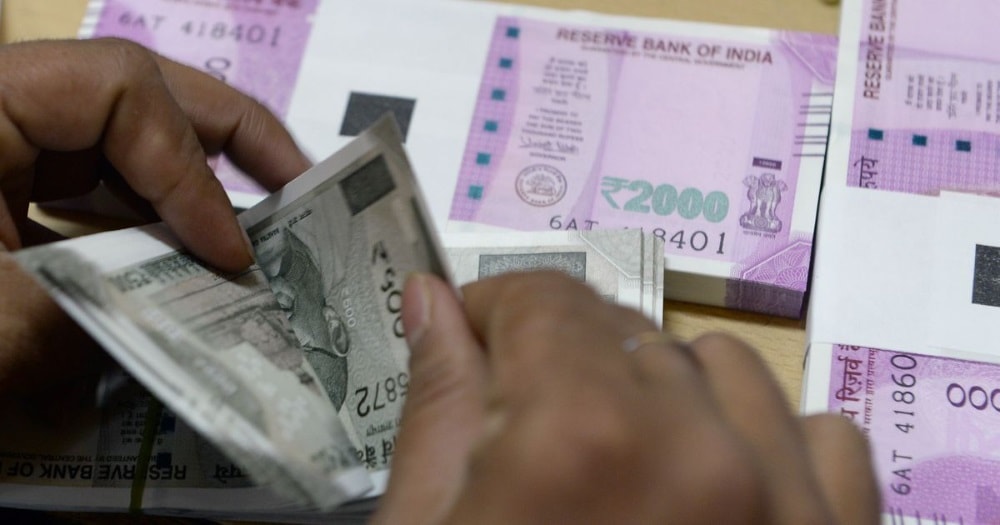
Representational picture
Global credit ratings, research and risk analysis firm Moody’s Investors Service on Wednesday said rising oil prices and interest rates could put pressure on India’s fiscal position and current account deficit.
However, Moody’s said India’s growth prospects remain strong and are in line with the economy’s potential growth rate of around 7.5 per cent in the current year and the next.
“This robust growth, large foreign exchange reserves, a predominantly domestic funding base, strengthened monetary policy management and macro-prudential regulations on bank lending in foreign currency will broadly contain the credit impact of the higher oil prices and rising interest rates,” Moody’s Vice President and Senior Analyst Joy Rankothge said in a statement.
According to the report, oil prices at their prevailing levels could increase government expenditure and add to existing pressures on the fiscal position.
The government could respond by reducing capital expenditure to limit fiscal slippage, as it has done in previous years. However, Moody’s said such cuts may not fully compensate for revenue losses and increased spending on energy subsidies and price support for crops.
The agency therefore sees a risk that the Central government’s fiscal deficit could exceed its target in the short term. Nevertheless, it said any temporary fiscal slippage would not outweigh India’s strong nominal GDP growth and large domestic financing base, which would help keep the government’s debt burden broadly stable.
On the current account, Moody’s said higher oil prices were likely to widen the deficit, although the gap would remain significantly below the levels seen five years earlier.
The report also highlighted India’s relatively limited economy-wide external debt and substantial foreign exchange reserves. Moody’s continued to assess the country’s external vulnerability risk as low.
India’s low dependence on foreign currency debt and long average debt maturity are expected to limit the impact of rising interest rates and currency depreciation.
The report noted that the average maturity of India’s government debt is around 10 years and that the government relies almost entirely on local-currency financing, helping to stabilize debt affordability.
Moody’s also said regulatory restrictions on foreign-currency borrowing would limit exchange-rate risks for banks. The regulated nature of foreign-currency transactions by banks and companies would further reduce the direct impact of exchange-rate volatility on their operations.



© Copyright
Reporter Post.All Rights Reserved |
Powered by: Aptilogic Software |
 |
Page rendered in 0.0078 seconds.
|
Page rendered in 0.0078 seconds.