Sun, October 11, 2026


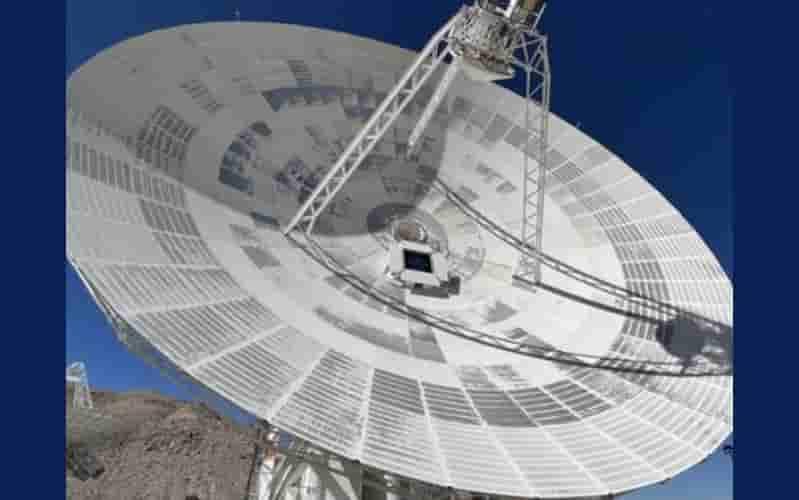
Representational image
A mysterious object spotted by NASA’s Curiosity rover on the surface of Mars briefly raised concerns that the robotic explorer might have lost a piece of its own equipment. However, analysis has now confirmed that the object was simply a very thin flake of Martian rock.
The unusual object was photographed by Curiosity on August 13 and was initially classified as “Pettegrove Point Foreign Object Debris” (PPFOD). Its bright appearance led to speculation that it could be a fragment of spacecraft material or debris left behind by the rover.
There was also concern that Curiosity itself might have shed a component, particularly because the rover had encountered a similar mystery during its mission.
NASA’s Curiosity team used the rover’s Chemistry and Camera (ChemCam) instruments to examine the object more closely. The analysis showed that PPFOD was made of rock and not a piece of the rover.
“In fact it was found to be a very thin flake of rock, so we can all rest easy tonight — Curiosity has not begun to shed its skin,” Curiosity team member Brittney Cooper wrote in a mission update.
Cooper jokingly suggested that the object could have been given a more appropriate name based on the geological region where Curiosity was operating. She proposed “Rabhadh Cearr”, which means “False Alarm” in Scottish Gaelic.
The team had good reason to investigate the object carefully. In 2012, shortly after Curiosity landed on Mars, the rover photographed another unusual bright object on the Martian surface. That mystery was eventually solved when scientists determined that it was a tiny fragment of plastic material that had apparently come from the rover itself.
The latest discovery, however, turned out to be completely harmless and provided another example of how unusual-looking objects on Mars can have surprisingly ordinary explanations.
Curiosity was continuing its scientific work in Gale Crater, where it was monitoring atmospheric dust levels, known as “tau”, as a massive global dust storm that had begun on Mars in June was gradually weakening.
The incident also highlighted the importance of Curiosity’s onboard scientific instruments. What initially appeared to be potentially damaging spacecraft debris could be identified remotely as a natural Martian feature without requiring any physical intervention.



© Copyright
Reporter Post.All Rights Reserved |
Powered by: Aptilogic Software |
 |
Page rendered in 0.0097 seconds.
|
Page rendered in 0.0097 seconds.