Fri, November 20, 2026
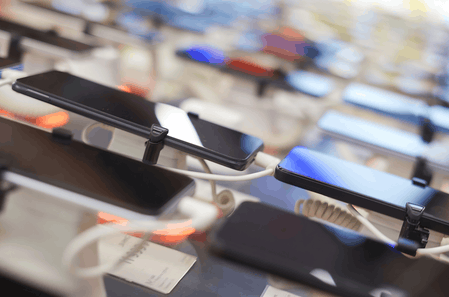
New Delhi: India's smartphone market witnessed a sharper-than-anticipated slowdown during the 2026 festive season, with shipments declining 22 per cent year-on-year as rising handset prices and cautious consumer spending discouraged purchases, according to a new report by Counterpoint Research.
Preliminary estimates released by the research firm showed that smartphone shipments during the festive sales period, spanning October 8 to November 10, fell 22 per cent compared with the corresponding period last year. The decline was significantly steeper than the 12 per cent contraction projected by the firm ahead of the festive season.
However, the decline in sales volumes did not translate into a similar fall in the overall market value. A 28 per cent year-on-year increase in average selling prices (ASPs) helped keep the market's total value largely stable, the report said.
Higher component costs, particularly rising memory chip prices, were among the key factors pushing up handset prices. The increased cost burden also limited manufacturers' ability to offer aggressive discounts during major festive sales events.
Discounts on smartphones generally ranged between 10 and 25 per cent this year, compared with 35-40 per cent during the previous festive season. Consequently, several entry-level and mid-range smartphones remained considerably more expensive than comparable models offered a year earlier.
With traditional price cuts losing their appeal, smartphone brands increasingly turned to alternative incentives to attract buyers. No-cost EMI schemes, exchange offers and partnerships with banks became important tools for supporting sales. Nearly half of all smartphone purchases during the festive period were estimated to have involved some form of financing.
Online sales also failed to meet expectations despite considerable consumer interest and heavy traffic on e-commerce platforms. Many prospective buyers reportedly postponed their purchases because of high prices and expectations of better discounts later in the season.
Among individual brands, Samsung emerged as the market leader during the festive period, securing a 21 per cent share. Its performance was supported by strong demand for the premium Galaxy S25 series and a comparatively moderate decline in sales against the wider market trend.
Apple, meanwhile, recorded a double-digit decline in sales despite a positive response to its latest flagship smartphones. The growing popularity of refurbished iPhones also affected demand for older new-generation models, as price-conscious consumers increasingly opted for pre-owned devices as a more affordable alternative.
The findings highlight a changing dynamic in India's smartphone market, where higher device prices are increasingly influencing purchasing decisions. Even strong online engagement and festive promotions may not be sufficient to drive sales when consumers face affordability constraints.




© Copyright
Reporter Post.All Rights Reserved |
Powered by: Aptilogic Software |
 |
Page rendered in 0.0101 seconds.