Fri, October 09, 2026

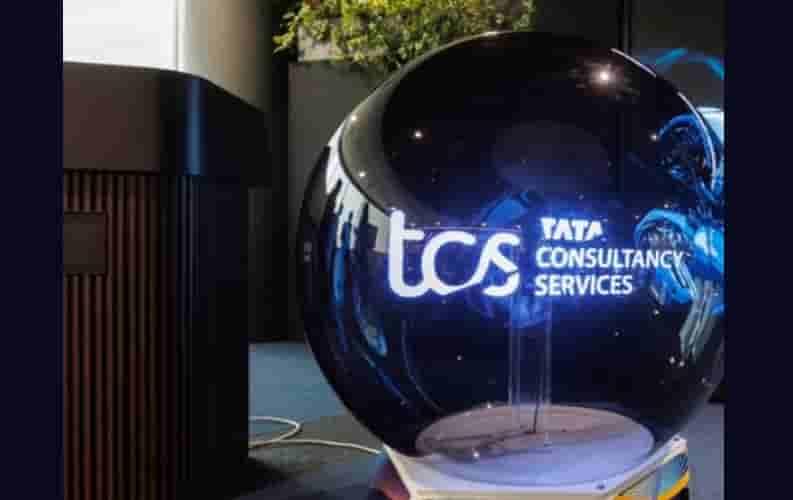
Photo: IANS
Tata Consultancy Services (TCS), India's largest IT services company, said on Friday that the US government's suspension of the Permanent Labour Certification Program (PERM) would not affect its workforce strategy or customer engagements, adding that it would comply with any directives issued by the US Department of Labor.
In a regulatory filing, TCS said its US workforce strategy was centred on hiring local talent, supported by a robust campus recruitment programme.
The company said it had established a substantial local workforce across 31 offices and delivery centres in the United States. It also reiterated its plan to hire an additional 15,000 employees in the country over the next five years.
TCS said its use of the PERM programme had been minimal in recent years, with applications remaining in single digits over the past two years.
"As a result, we do not expect the suspension of the program to impact our workforce strategy and customer engagements," the company said.
The statement follows an announcement by US Labour Secretary Keith Sonderling that six outsourcing companies, including India's Infosys, TCS, Wipro and HCL, along with Cognizant and Capgemini, had been suspended from the PERM programme following investigations by the Department of Labor's Inspector General.
The action halts the acceptance of new PERM applications involving the companies and the processing of pending applications.
The PERM programme is a key step in the employment-based green card process, requiring employers to demonstrate that there are insufficient qualified and available US workers for a particular position and that hiring a foreign worker will not adversely affect the wages and working conditions of similarly employed US workers.
Responding to the broader implications for the technology sector, industry body Nasscom said the number of employees transitioning from H-1B visas to permanent residency through the PERM process was relatively limited.
"The H-1B visa programme has historically played an important role in addressing short-term skill gaps in the US," Nasscom said, adding that Indian technology companies had significantly reduced their reliance on H-1B visas in recent years while expanding local hiring.
Separately, Microsoft said the vast majority of its US employees were American citizens. The company said that of approximately 6,000 H-1B applications it submitted in the last fiscal year, around 80 per cent were for extensions or changes in the status of existing employees rather than new hires.
Microsoft added that the remaining applications for new employees involved individuals already legally present in the United States and accounted for only around 1 per cent of its US workforce.
The developments come amid increased scrutiny of employment-based immigration processes and the use of foreign workers by outsourcing and technology companies operating in the United States.



© Copyright
Reporter Post.All Rights Reserved |
Powered by: Aptilogic Software |
 |
Page rendered in 0.0154 seconds.
|
Page rendered in 0.0154 seconds.