Wed, October 14, 2026

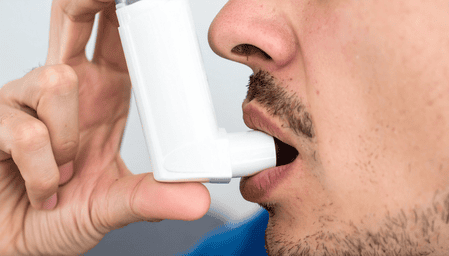
New Delhi – A new study has found that certain metals, particularly nickel and vanadium, along with sulphate particles – key components of fine particulate matter (PM2.5) – can aggravate asthma and increase hospitalisation cases.
Published in the *American Journal of Respiratory and Critical Care Medicine*, the study revealed that for every decile rise in this pollutant mixture, asthma hospitalisations increased by 10.6% among children and 8% among adults aged 19 to 64.
Nickel, vanadium, sulfate, nitrate, bromine, and ammonium were identified as the major contributors.
“If we want to reduce asthma hospitalisations, these are the pollutants we must control — and we already know how to do it,” said Joel Schwartz, professor of environmental epidemiology at Harvard T.H. Chan School of Public Health. He explained that nickel and vanadium come from burning fuel oils, while sulfates originate from coal burning. Measures such as installing scrubbers in coal plants, shifting to cleaner fuels, and removing metal contaminants from fuel oil could help curb these pollutants.
Unlike earlier studies that mostly focused on individual pollutants or PM2.5 as a whole, this research used previous data and machine learning to pinpoint the harmful components, including bromine, calcium, copper, elemental carbon, iron, potassium, ammonium, nitrate, organic carbon, lead, silicon, sulfate, vanadium, and zinc.
By applying weighted quantile sum regression — a statistical method that assessed each compound’s contribution — the researchers analysed 469,005 asthma hospitalisations, adjusting for factors like outdoor temperature and socioeconomic conditions.
The team stressed the need for more research to understand how short-term exposure to specific PM2.5 particles influences asthma-related hospitalisations.
With inputs from IANS



© Copyright
Reporter Post.All Rights Reserved |
Powered by: Aptilogic Software |
 |
Page rendered in 0.0115 seconds.
|
Page rendered in 0.0115 seconds.