Thu, September 24, 2026

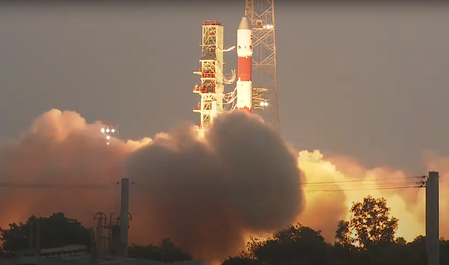
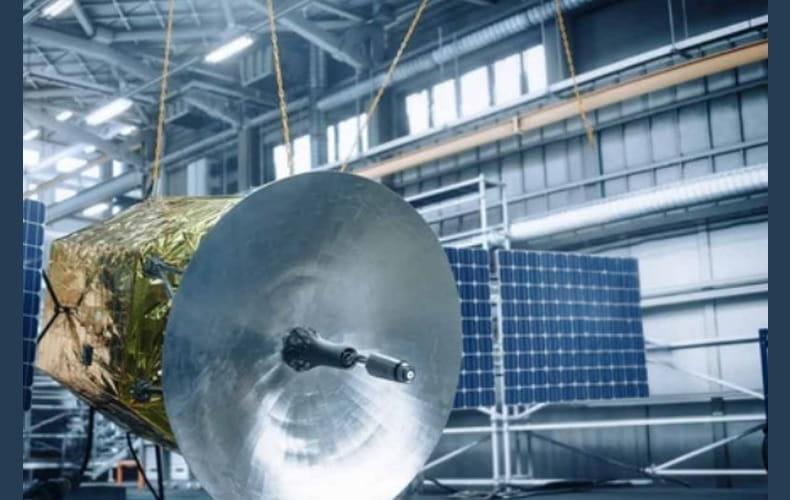
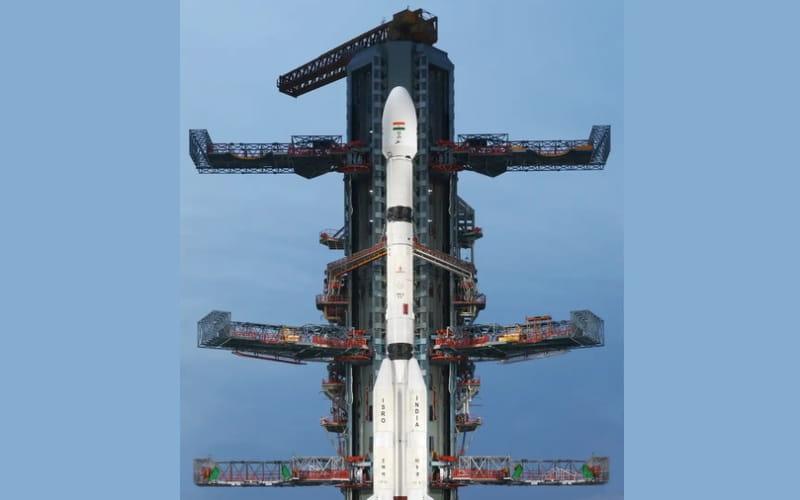
Chennai: The Earth Observation Satellite jointly developed by the Indian Space Research Organisation (ISRO) and NASA is set to launch on July 30 aboard India’s GSLV-F16 rocket, ISRO Chairman Dr. V. Narayanan announced today.
Speaking to the media at Chennai International Airport, Dr. Narayanan said the satellite will be positioned in orbit at an altitude of 740 kilometers and will feature cutting-edge radar imaging capabilities.
“This advanced satellite can capture images of Earth around the clock, even in cloudy or rainy conditions. It will be crucial in monitoring climate change, detecting landslides, and aiding disaster management. Its benefits will not only serve India and the U.S. but the global community at large,” he said.
Providing updates on other ISRO missions, Dr. Narayanan shared that the Aditya-L1 solar satellite, launched earlier with a 1.5 kg payload, has started transmitting solar research data. Scientists are now analyzing this data to gain deeper insights into solar phenomena.
Regarding the highly anticipated Gaganyaan human spaceflight mission, the ISRO chief stated that three uncrewed test missions are scheduled before launching astronauts into space.
“The first vehicle is currently being prepared at Sriharikota and is set for launch this December with a humanoid payload. If successful, two more test missions will follow next year. The first manned spaceflight is planned for March 2027, as announced by the Prime Minister,” he said.
Dr. Narayanan also outlined progress on upcoming lunar missions. He expressed confidence in Chandrayaan-4, which aims to land on the Moon and return with soil samples. “This mission will mark a major leap in India’s lunar exploration efforts,” he noted.
He further revealed that Chandrayaan-5, a collaborative mission with Japan, is expected to operate on the lunar surface for 100 days.
Currently, ISRO operates 55 satellites and plans to reorganize them into three main categories over the next four years.
Dr. Narayanan emphasized that ISRO’s research and missions are designed to serve the entire nation. “Our work is guided by national needs, not regional interests,” he asserted.
With inputs from IANS



© Copyright
Reporter Post.All Rights Reserved |
Powered by: Aptilogic Software |
 |
Page rendered in 0.0142 seconds.
|
Page rendered in 0.0142 seconds.