Mon, September 07, 2026

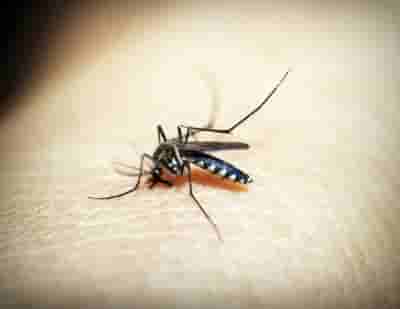
New Delhi – A new study has revealed that ivermectin, a drug traditionally used to treat neglected tropical diseases, can reduce new malaria infections in children by 26%, offering a potential new tool in the fight against the disease.
Ivermectin is typically used to treat conditions such as onchocerciasis (river blindness) and lymphatic filariasis (elephantiasis). It works by killing mosquitoes that feed on individuals treated with the drug, thereby interrupting the transmission cycle of malaria.
With resistance to conventional insecticides on the rise, researchers at the Barcelona Institute for Global Health (ISGlobal) believe ivermectin could provide a powerful alternative to existing malaria control strategies.
“Ivermectin administered to an entire population significantly reduces malaria transmission, offering fresh hope in the battle against the disease,” the research team noted.
The study was conducted in Kwale County, Kenya, focusing on children aged 5 to 15. Those who received ivermectin showed a 26% lower incidence of malaria compared to those who received albendazole, the control drug used in the study.
Published in The New England Journal of Medicine, the findings indicated that ivermectin was particularly effective among children who lived further from cluster borders or in regions where the distribution of the drug was more efficient.
The study also found ivermectin to be safe, with no serious adverse events reported. Only mild and short-lived side effects were observed—similar to those previously noted during its use against other tropical diseases.
Carlos Chaccour, co-principal investigator and ISGlobal researcher, expressed optimism:
“We are thrilled with these results. Ivermectin has shown great potential to reduce malaria transmission and could enhance current control measures. With further research, mass drug administration (MDA) of ivermectin could become a key component in malaria control and even elimination.”
Chaccour is now a researcher at the Navarra Centre for International Development at the University of Navarra.
Malaria continues to be a major global health threat, with 263 million cases and 597,000 deaths reported in 2023 alone.
Traditional vector control methods—such as long-lasting insecticidal nets (LLINs) and indoor residual spraying (IRS)—are becoming less effective due to growing insecticide resistance and changing mosquito behavior, including increased outdoor biting and activity during times when people are not protected.
This growing challenge highlights the urgent need for innovative approaches.
The study evaluated the safety and effectiveness of a single monthly dose of ivermectin (400 mcg/kg), administered over three consecutive months at the beginning of the rainy season, to reduce malaria transmission.
With inputs from IANS



© Copyright
Reporter Post.All Rights Reserved |
Powered by: Aptilogic Software |
 |
Page rendered in 0.0998 seconds.
|
Page rendered in 0.0998 seconds.