Sun, September 13, 2026

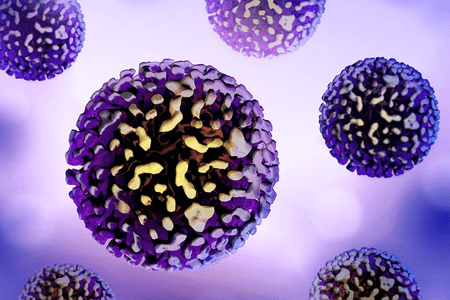
New Delhi – Medicines to treat Hepatitis B are drastically underused, and initiating treatment early could save countless lives, according to a new study published in The Lancet Gastroenterology & Hepatology.
Hepatitis B virus (HBV) is responsible for more than 3,000 deaths daily — over two people every minute. Among those who do not naturally clear the virus and develop chronic HBV, between 20 to 40 percent may die without proper treatment.
Researchers emphasized that although current treatments do not cure HBV, they are safe, effective, and relatively affordable.
“These are good drugs that are being terribly underused,” said John Tavis, a professor of molecular microbiology and immunology at Saint Louis University School of Medicine. “Fewer than 3 percent of people infected with HBV are receiving treatment, yet the data shows many more could benefit. Starting treatment earlier would significantly reduce the overall disease and death burden,” he added.
The study found that early treatment helps slow disease progression and reduces cumulative liver damage over the course of chronic infection, which can last 20 to 30 years and lead to liver cancer or liver failure.
Beyond physical health, Hepatitis B also takes a toll on emotional and social well-being. "The infection is most often transmitted from an infected mother to her newborn, and most women don’t even know they carry the virus," Tavis said. “Imagine the emotional distress of realizing you passed a deadly disease to your child.”
While the virus doesn’t spread through casual contact, many people still face stigma in their communities.
Tavis concluded, “We know these drugs could reduce liver cancer cases by two-thirds or even three-quarters — that’s a tremendous impact, potentially saving millions of lives over time.”
With inputs from IANS



© Copyright
Reporter Post.All Rights Reserved |
Powered by: Aptilogic Software |
 |
Page rendered in 0.0098 seconds.
|
Page rendered in 0.0098 seconds.