
Fri, September 04, 2026

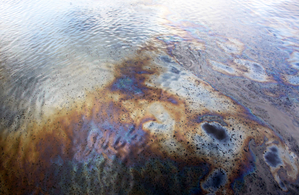
New Delhi – Researchers at the National Institute of Technology (NIT) Rourkela have developed an innovative and eco-friendly bacterial biofilm that can effectively degrade phenanthrene—a toxic Polycyclic Aromatic Hydrocarbon (PAH) commonly found in industrial chemical waste—and help reduce the environmental impact of oil spills.
PAHs are dangerous organic pollutants that can contaminate soil and water due to fossil fuel combustion, industrial discharge, and oil spills. Conventional treatment methods like chemical oxidation or soil excavation are expensive and often lead to secondary pollution.
The newly developed patented biofilm, made up of bacterial cells embedded in an extracellular polymeric matrix, achieved an impressive 95?gradation of phenanthrene within just five days. This offers a sustainable, efficient, and cost-effective alternative for wastewater treatment.
“This technology can significantly reduce the impact of industrial oil spills and is especially valuable in high-pollution regions with limited infrastructure for pollution control,” said Dr. Kumari Uma Mahto, a research scholar at NIT Rourkela.
The biofilm was cultivated using Luria Bertani broth, a nutrient-rich growth medium, and has shown accelerated degradation of PAHs due to its enhanced metabolic activity and structural stability. The matrix promotes higher microbial density, sustained viability, and efficient pollutant breakdown.
“Our biofilm is compatible with existing biofilm reactors at municipal and industrial wastewater facilities, particularly those targeting hydrocarbon pollutants,” added Prof. Surajit Das from the Department of Life Science at NIT Rourkela.
He also emphasized the potential for collaborations with the petrochemical industry to promote more sustainable pollution management practices.
The biofilm contains a protective layer of Extracellular Polymeric Substances (EPS), which plays a crucial role in absorbing harmful molecules while shielding the microbes from toxic exposure.
Researchers said the results highlight the broader potential of biofilm-based technologies for degrading persistent organic pollutants in contaminated water bodies and wastewater treatment plants.
With inputs from IANS



© Copyright
Reporter Post.All Rights Reserved |
Powered by: Aptilogic Software |
 |
Page rendered in 0.0944 seconds.
|
Page rendered in 0.0944 seconds.