Fri, August 14, 2026







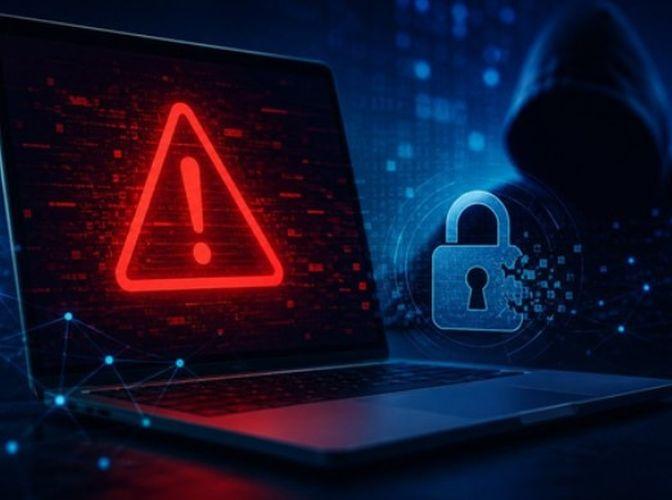
Seoul – As the global automotive industry shifts toward increasingly connected and software-defined vehicles (SDVs), cybersecurity has become a critical focus for car manufacturers, according to a South Korean industry expert.
“The era of software-defined vehicles is upon us,” said Lee Joo-hwa, head of the European branch of Autocrypt, a South Korean automotive cybersecurity solutions provider. Speaking to Yonhap News Agency at the 2025 International Transport Forum Summit in Leipzig, Germany, Lee highlighted the growing cybersecurity risks in the new automotive landscape.
“With more interfaces connecting vehicles to external environments, cars are now more susceptible to cyberattacks,” she explained. “Additionally, SDVs handle significantly larger volumes of data than traditional hardware-defined vehicles, increasing the risk of data breaches.”
Software-defined vehicles rely on software to manage, control, and enhance their functionalities—including autonomous driving—placing software at the heart of vehicle performance and safety.
Lee emphasized that cybersecurity in modern mobility is not just about protecting data but also safeguarding lives. “If a cyber breach disrupts signals, communications, or data within a vehicle, it could prevent the car from stopping when needed—leading directly to accidents,” she warned. “Moreover, with vehicles storing extensive personal data, the potential for privacy breaches is substantial.”
Founded in 2019, Autocrypt supplies cybersecurity solutions to over 20 automakers worldwide, including Hyundai Motor Group, Audi, and General Motors. The company also serves around 40 percent of the world’s leading automotive parts manufacturers.
Governments and regulatory bodies are taking note. In July 2024, the European Union mandated the integration of cybersecurity management systems in all new vehicles sold in the region. South Korea will follow suit in August under its revised Motor Vehicle Management Act, while India plans to implement similar regulations by 2027.
“However, the real decision lies with the original equipment manufacturers—it's up to them how deeply they integrate cybersecurity features into their vehicles,” Lee noted.
She also stressed the rising number of cyberattacks targeting vehicles. According to a report by U.S.-based Upstream Security, 2024 saw 108 ransomware attacks and 214 data breaches specifically aimed at mobility systems—highlighting the urgent need for enhanced protective measures.
With inputs from IANS








© Copyright
Reporter Post.All Rights Reserved |
Powered by: Aptilogic Software |
 |
Page rendered in 0.0875 seconds.
|
Page rendered in 0.0875 seconds.