Wed, September 23, 2026

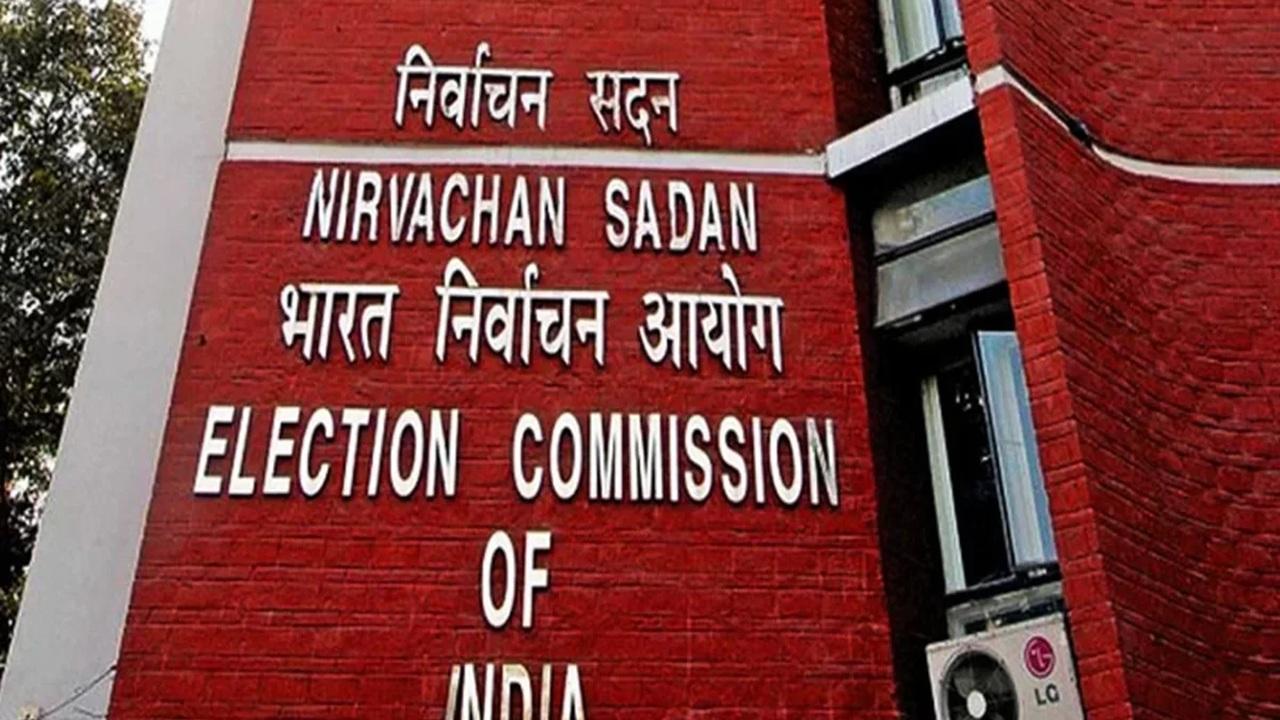
New Delhi, September 23: The Election Commission on Wednesday said that all decisions taken by the poll panel, including those concerning the nationwide *Special Intensive Revision (SIR) of electoral rolls*, were unanimous and had the approval of Chief Election Commissioner Gyanesh Kumar and Election Commissioners Sukhbir Singh Sandhu and Vivek Joshi.
The clarification came after a report by The Indian Express said Sandhu and Joshi had formally raised objections at least *14 times over the past 10 months* to decisions and orders issued in the name of the Election Commission. The report said four of these objections were recorded on a single day.
According to officials, the two Election Commissioners had flagged several issues during the electoral-roll revision process, including matters relating to *deletion of voter names and the handling and access of electoral data*. However, EC sources maintained that these concerns did not alter the final decisions of the three-member Commission, which, they said, were taken unanimously.
The Indian Express report had cited objections concerning changes to *Form 6*, used for new voter registration, the alleged centralisation of controls over the electoral-roll database, appeals relating to voter deletions in West Bengal and difficulties in restoring eligible voters in Goa.
The report also said the two Commissioners had questioned whether certain decisions were taken without their knowledge or approval. It further highlighted concerns over access to the electoral database and the role of the Commission's information-technology division.
The EC, however, stressed that the functioning of the three-member Commission is governed by the constitutional framework and the *Chief Election Commissioner and Other Election Commissioners Act, 2023*, under which business is to be conducted as far as possible unanimously, with the majority view prevailing where the Commissioners differ.
The controversy comes amid heightened scrutiny of the SIR exercise, which began in Bihar in June 2025 and has since been extended to 30 states and Union Territories. The process has also faced judicial scrutiny, including over notices issued to voters in Delhi and the handling of electoral-roll discrepancies.
Opposition parties have criticised the SIR process and questioned the Election Commission's functioning, alleging that the exercise could disproportionately affect certain groups of voters. The EC has rejected such allegations and maintained that the revision is aimed at ensuring accurate and updated electoral rolls.




© Copyright
Reporter Post.All Rights Reserved |
Powered by: Aptilogic Software |
 |
Page rendered in 0.0111 seconds.
|
Page rendered in 0.0111 seconds.