Sat, September 26, 2026
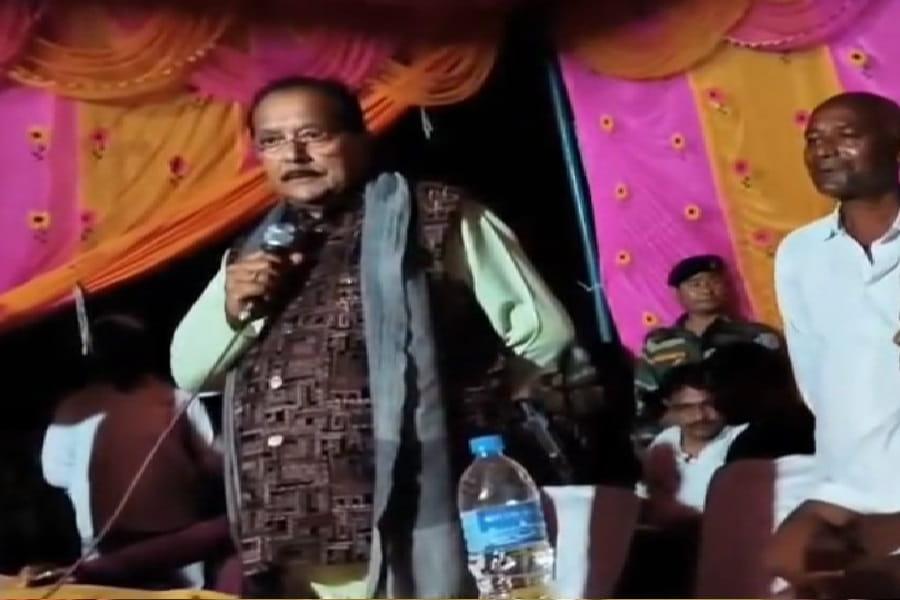
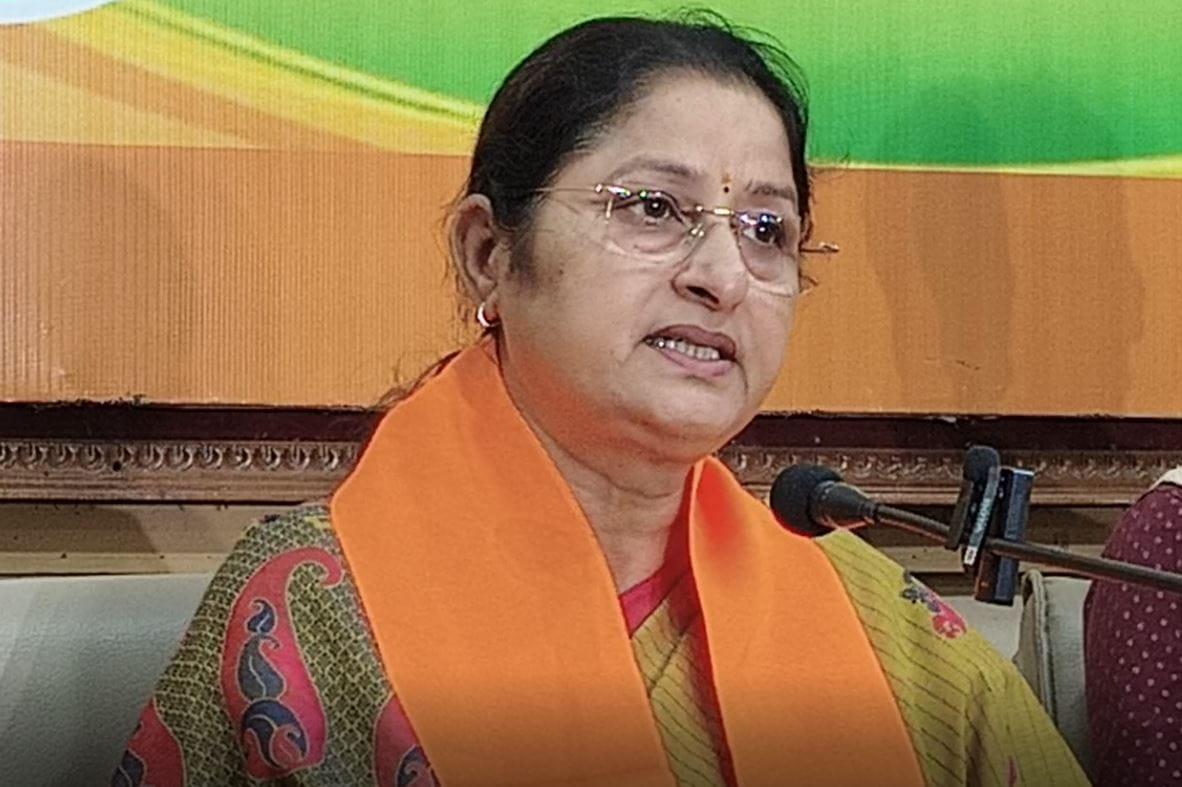
Photo: RP
Jharkhand Finance Minister Radhakrishna Kishore has raised questions over social equality in religious spaces, arguing that discussions around Hindutva and religion should also address whether people from disadvantaged sections receive equal respect and access at temples.
Speaking at an event in Palamu, Kishore said he had himself been associated with the Hindutva ideology for around four to five years, but continued to question whether the principles associated with the ideology were being reflected equally across society.
He argued that if Hindutva and religion are being discussed, social equality should also be an integral part of that conversation, particularly in the treatment of poor, backward and marginalised communities.
The minister cited the experience of ordinary devotees at temples, saying that people who arrive without influence or privilege can sometimes face a different kind of treatment from those considered socially or politically influential.
Questioning VIP culture at temples
Kishore also referred to the Ram temple while raising questions about the growing prominence of VIP arrangements at major religious sites.
He said faith in Lord Ram and the construction of the temple were separate issues from the question of whether every devotee receives equal respect and opportunity inside religious institutions.
The minister argued that facilities and dignity available to influential visitors should also be accessible to ordinary devotees and economically weaker sections.
His remarks put social equality at the centre of his argument, rather than questioning religious faith itself.
Kishore has previously made a similar argument while speaking about Hindutva. At a religious gathering in Palamu, he said Hindutva should encompass poor, Dalit, affluent, backward, tribal and minority communities rather than being limited to religious mobilisation.
Attack on caste-based politics
The minister also criticised politics based on caste identities and social divisions, saying that discussions about equality would remain incomplete as long as discrimination in the name of caste and religion continued.
Referring to political patterns in Palamu, Kishore spoke about how different social groups have traditionally been viewed through the lens of electoral calculations. He argued that political debate should move beyond caste equations and focus more closely on people's rights and everyday concerns.
His comments also included criticism of Prime Minister Narendra Modi and the BJP's political approach, adding a wider political dimension to his remarks on religion and social equality.
A broader political debate
Kishore's comments come at a time when questions surrounding religion, representation and social equality remain prominent in political discourse in Jharkhand and across the country.
The minister's position, as expressed in Palamu, was that religious identity and social equality should not be treated as competing ideas. Instead, he argued that claims of religious and cultural inclusion should be accompanied by equal treatment of people across social and economic backgrounds.
The remarks are likely to add another dimension to the political debate in Jharkhand, particularly around Hindutva, temple access, VIP arrangements and caste-based politics.


© Copyright
Reporter Post.All Rights Reserved |
Powered by: Aptilogic Software |
 |
Page rendered in 0.0093 seconds.
|
Page rendered in 0.0093 seconds.