Sat, October 24, 2026

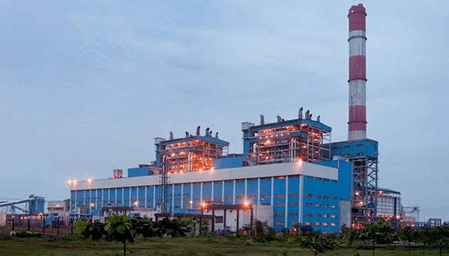
Ranchi: Jharkhand has achieved a significant milestone in its power sector with the commercial commissioning of the second 800 MW unit of the Patratu Vidyut Utpadan Nigam Limited (PVUNL). The unit began operations on the intervening night of Wednesday and Thursday, making the state self-sufficient in electricity generation and transforming it into a power-surplus state.
Of the 800 MW generated by the newly commissioned unit, around 680 MW, or 85 per cent, has been allocated to Jharkhand. The first 800 MW unit, which became operational in November 2025, has also been supplying 680 MW to the state. With both units now in service, Jharkhand will receive a total of 1,360 MW from the Patratu thermal power project.
According to the state Energy Department, Jharkhand's average daily power demand is around 3,000 MW, while its total power availability from all sources has increased to nearly 3,885 MW. This has created a surplus of approximately 600 MW, excluding transmission and distribution losses.
Energy experts believe the surplus electricity can be sold to other states during non-peak hours, creating an additional source of revenue for Jharkhand.
PVUNL is a joint venture between NTPC and Jharkhand Bijli Vitran Nigam Limited (JBVNL), with NTPC holding a 74 per cent stake and JBVNL the remaining 26 per cent.
The project aims to develop a total generation capacity of 4,000 MW. In the first phase, three supercritical units of 800 MW each, with a combined capacity of 2,400 MW, are being established. While two units have now become operational, the third is expected to begin commercial production in the coming months.
The Patratu project has been built using advanced supercritical technology and incorporates environment-friendly features such as air-cooled condensers and a 100 per cent dry ash handling system to minimise its environmental impact. Coal for the plant is supplied from the Banahardi coal block in Latehar district, while water is sourced from the Patratu Dam.
Experts say the project will ensure a more reliable power supply across Jharkhand, reduce the state's dependence on costly electricity purchases from outside, and provide stable power to industries. Improved electricity availability is also expected to boost industrial investment and generate new employment opportunities in the state.
With inputs from IANS



© Copyright
Reporter Post.All Rights Reserved |
Powered by: Aptilogic Software |
 |
Page rendered in 0.0114 seconds.
|
Page rendered in 0.0114 seconds.