Mon, September 07, 2026

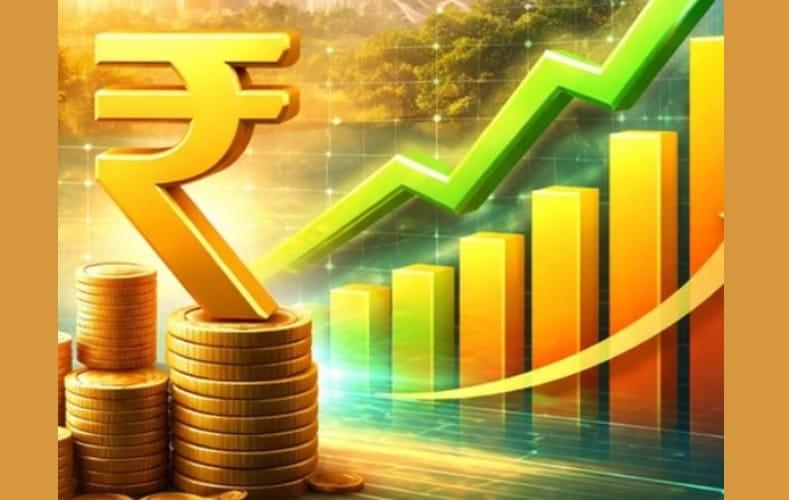
Photo: IANS
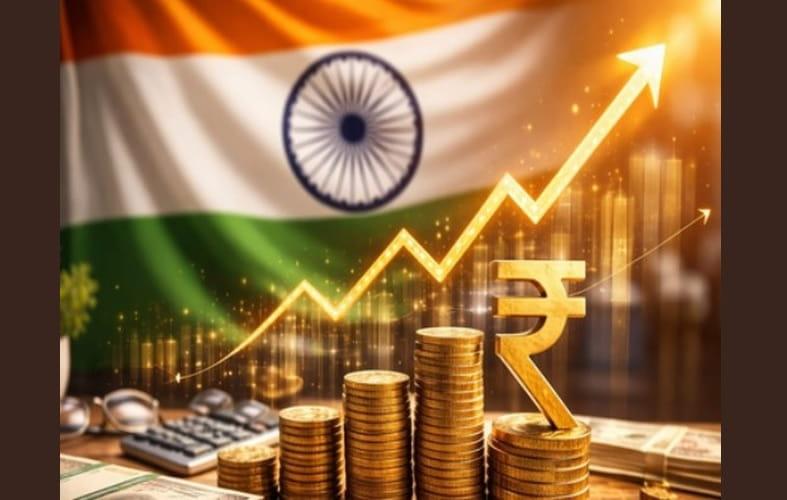
India has the potential to become the world’s largest economy, but achieving that goal will depend heavily on how effectively the country uses its young workforce and carries out structural reforms, former Reserve Bank of India Deputy Governor Michael Patra has said.
Speaking at an event organised by Emkay Global Financial Services, Patra highlighted India’s demographic advantage and said the country has a limited window to turn its large working-age population into sustained economic growth.
According to the report released by Emkay Global Financial Services, India’s demographic window of opportunity is expected to remain open until around 2055. Patra said this period needs to be used effectively to increase incomes, savings and investment.
India has one of the world’s largest young populations, and the number of people in the working-age group is continuing to rise. But simply having a young population does not automatically translate into faster growth. The country needs enough productive jobs, better skills and greater participation in the formal economy to convert its demographic advantage into a long-term economic benefit.
“India’s time has come,” Patra said, pointing to several factors that could support the country's economic expansion in the coming decades.
India has averaged 7.7 per cent growth since FY22 and is currently the second-largest contributor to global economic growth after China, according to the report. The country's growth momentum has strengthened considerably following the disruption caused by the Covid-19 pandemic.
However, sustaining that momentum will require progress on several fronts, including employment, manufacturing, infrastructure and women's participation in the workforce.
“India’s economic journey is entering a phase where the scale of its opportunity is matched by the complexity of the global environment,” said Nirav Sheth, CEO of Institutional Equities at Emkay Global Financial Services.
Sheth said investors need to look beyond short-term economic cycles and focus on the structural changes that are likely to determine India's position in global markets.
India's economic buffers have also strengthened
The report noted that India has built stronger buffers in its external, fiscal and financial sectors.
Foreign exchange reserves, a relatively manageable current account deficit, improving government finances and healthier banking-sector balance sheets provide the economy with greater resilience against external shocks.
Fiscal consolidation is also increasingly being accompanied by higher capital expenditure. This shift towards infrastructure and other productive investments could create conditions for greater private-sector investment over time.
But employment remains one of the biggest challenges
One of the key issues identified in the report is India's ability to create enough productive employment for its growing working-age population.
Patra and the report stressed the need to improve skills, expand reskilling opportunities and ensure that education is better aligned with the requirements of the job market.
Increasing women's participation in the labour force is another major priority. Greater participation by women could significantly expand India's effective workforce and increase household incomes and overall economic productivity.
Manufacturing has an important role to play
Manufacturing, which currently contributes around 17 per cent of India's GDP, was identified as another critical area.
A stronger manufacturing sector could help absorb workers with limited formal skills while also creating the capabilities needed to move into higher-value activities and services.
India's expanding electronics exports and the growth of Global Capability Centres are already providing evidence of the country's increasing integration with global supply chains.
The challenge now is to build on that progress by improving infrastructure, skills, manufacturing capacity and the overall business environment.
With its demographic advantage, growing economy and stronger financial buffers, India has significant opportunities ahead. But converting those advantages into the world's largest economy will depend on how effectively the country uses its working-age population and implements the structural reforms needed to sustain high growth over the next several decades.



© Copyright
Reporter Post.All Rights Reserved |
Powered by: Aptilogic Software |
 |
Page rendered in 0.0805 seconds.
|
Page rendered in 0.0805 seconds.