Mon, October 19, 2026


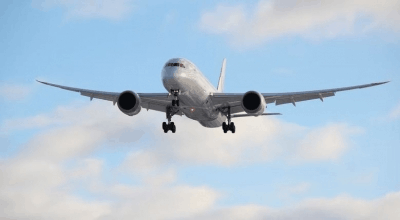
Representational Pic
India's airlines are facing growing financial pressure from a sharp increase in aviation fuel prices and the depreciation of the Indian rupee, creating what the global airline industry body IATA described as a "double whammy".
The International Air Transport Association (IATA) said on Tuesday that the impact of higher fuel prices was particularly severe for Indian carriers because fuel accounts for around 34 per cent of their operating costs, significantly higher than the global average of 24 per cent.
Speaking at the International Aviation Summit in New Delhi, IATA Director General and CEO Alexandre de Juniac said India has a large and growing pool of passengers willing to travel by air, but airlines continue to struggle to generate sustainable profits in the market.
"While it is easy to find Indian passengers who want to fly, it's very difficult for airlines to make money in this market," de Juniac said.
He stressed that a financially sustainable aviation industry was important for India's economic and social development, particularly as demand for air travel continues to expand.
According to IATA, airlines in India need a more supportive operating environment, including better airport and aviation infrastructure and government policies that are aligned with international standards.
"India's social and economic development needs airlines to be able to profitably accommodate growing demand. We must address infrastructure constraints that limit growth and government policies that deviate from global standards and drive up the cost of connectivity," de Juniac said.
The pressure from fuel prices is particularly significant because aviation turbine fuel represents one of the largest expenses for Indian airlines. A weaker rupee can add to the burden because several major airline expenses, including fuel and aircraft-related payments, are linked to the US dollar.
Despite the financial challenges, IATA expects India's aviation market to expand rapidly over the coming two decades. Its forecast projects that passenger demand in India will triple by 2037, with around 500 million people expected to travel to, from or within the country each year.
The projected growth highlights both the enormous potential of India's aviation sector and the need for airlines, airports and policymakers to address infrastructure and cost-related challenges before the expected surge in passenger traffic.




© Copyright
Reporter Post.All Rights Reserved |
Powered by: Aptilogic Software |
 |
Page rendered in 0.0119 seconds.
|
Page rendered in 0.0119 seconds.