Sat, October 10, 2026
Representational image
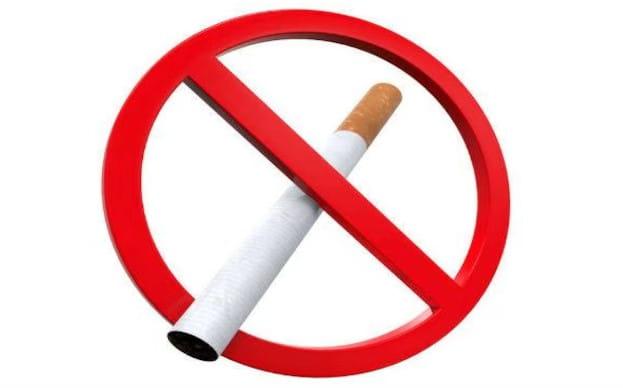
More than 100 towns across Sri Lanka have joined a campaign to discourage smoking by voluntarily boycotting the sale of cigarettes, as the government steps up efforts to make the country tobacco-free.
The Health Ministry said on Wednesday that 107 towns were currently participating in the campaign, which has been supported by public health officials conducting awareness programmes on the harmful effects of tobacco use.
The initiative was led by the Public Health Inspectors Union, whose members have been educating residents and business owners about the health risks associated with smoking. Following the awareness drives, shopkeepers and other traders in several towns agreed to stop selling cigarettes.
Jaffna has emerged as one of the areas with the highest participation, with 22 towns joining the campaign. Matara has 17 participating towns, while 16 towns in Kurunegala have also stopped selling cigarettes.
Health Minister Rajitha Senaratne welcomed the growing participation and said the government hoped to expand the campaign to 200 towns in 2019.
The voluntary sales boycott comes alongside a series of regulatory measures introduced by Sri Lanka in recent years to reduce tobacco consumption. The government has raised tobacco taxes to as much as 90 per cent and expanded health warnings on cigarette packets, with pictorial warnings covering 80 per cent of the packaging.
Sri Lanka has also prohibited the sale of cigarettes within 100 metres of schools and designated public places as smoke-free zones.
The government has been considering further measures as part of its long-term tobacco-control strategy, including a proposal to end tobacco cultivation in the country by 2020.
The participation of individual towns and local businesses adds a community-driven dimension to Sri Lanka's tobacco-control efforts. By cutting off access to cigarettes at the retail level, the campaign aims not only to discourage smokers but also to reduce the visibility and availability of tobacco products in everyday life.



© Copyright
Reporter Post.All Rights Reserved |
Powered by: Aptilogic Software |
 |
Page rendered in 0.0141 seconds.
|
Page rendered in 0.0141 seconds.