Tue, September 08, 2026

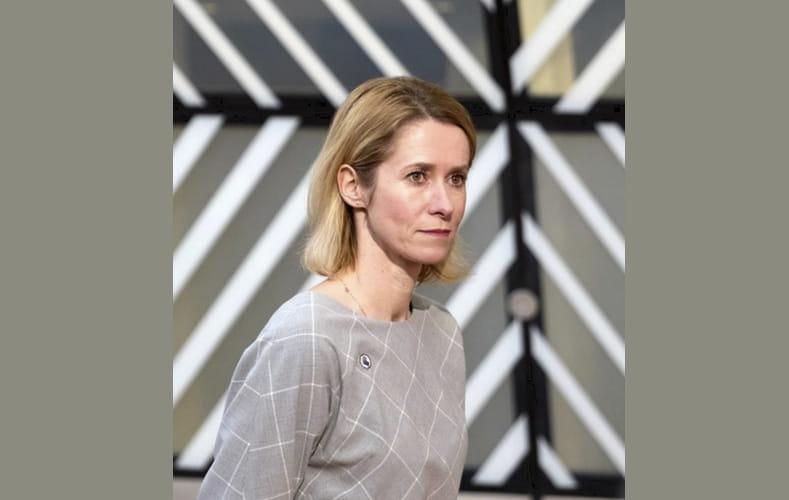
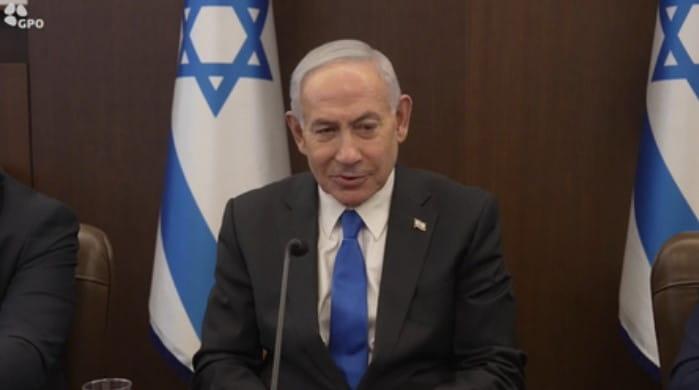
Photo: IANS
European countries should not be expected to make concessions in any future peace agreement between Russia and Ukraine without receiving meaningful commitments in return, EU foreign policy chief Kaja Kallas has said.
Kallas made the remarks during a visit to Lithuania on Monday, as renewed diplomatic efforts involving the United States sought to revive negotiations aimed at ending the Russia-Ukraine war.
US negotiators Steve Witkoff and Jared Kushner visited Moscow and Kyiv over the weekend, holding separate meetings with Russian and Ukrainian leaders as Washington stepped up efforts to find a possible path towards a settlement.
Speaking at a joint press conference with Lithuanian Prime Minister Mindaugas Sinkevicius, Kallas was asked whether the latest talks had brought the prospect of peace closer and what it would mean for Europe if a potential trilateral summit were held without direct EU representation.
Kallas said Russia and Ukraine ultimately had to engage directly with each other, while making it clear that the European Union could not act as a neutral mediator.
"On the European side, it is clear that we cannot be mediators between Russia and Ukraine. They need to talk to each other. We have always been on the side of Ukraine, so we are not neutral in this situation," Kallas said.
She stressed that Europe would inevitably have an important role in implementing and supporting any eventual settlement because a peace agreement would involve significant commitments from European countries.
"There are a lot of asks for Europe" in any eventual peace agreement, Kallas said, adding that Europe should not agree to such demands "without getting anything in return."
Her comments underline Europe's concern that it should have a meaningful say in any settlement that could affect the continent's security, defence arrangements and long-term relations with Russia.
Earlier on Monday, Kallas met Lithuanian President Gitanas Nauseda to discuss Lithuania's priorities for its upcoming presidency of the Council of the European Union.
Nauseda said Lithuania would place particular emphasis on European security and defence, EU enlargement, economic competitiveness, internal security and social resilience during its presidency.
The latest diplomatic activity follows a series of high-level contacts between the United States, Russia and Ukraine. Russian President Vladimir Putin met US envoys Witkoff and Kushner at the Kremlin on Saturday, with the meeting lasting more than three hours. The two US representatives subsequently travelled to Kyiv and met Ukrainian President Volodymyr Zelensky on Sunday.
Earlier this year, Russian, Ukrainian and US delegations also held rounds of trilateral discussions in Abu Dhabi on January 23-24 and February 4-5, followed by another round in Geneva on February 17-18. The negotiations were aimed at identifying a possible route towards ending the conflict but later stalled and remain suspended.
As diplomatic efforts resume, Europe's role in any future peace framework is emerging as a key issue, particularly over security guarantees, defence commitments and the implementation of a potential settlement.



© Copyright
Reporter Post.All Rights Reserved |
Powered by: Aptilogic Software |
 |
Page rendered in 0.0132 seconds.
|
Page rendered in 0.0132 seconds.