Mon, September 07, 2026

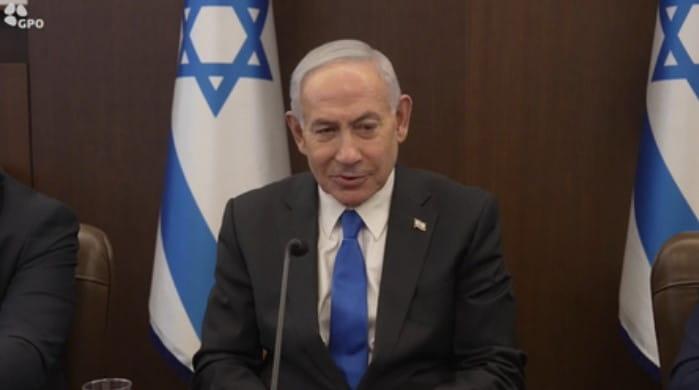
Photo: IANS
Israeli Prime Minister Benjamin Netanyahu has claimed that Iran’s ruling regime is nearing the end of its existence, saying it is “fighting for its life” as Israel continues its campaign against what it considers major security threats in the region.
Netanyahu made the remarks on Sunday during a Rosh Hashanah toast at a government meeting, where he highlighted what he described as Israel’s military achievements against Iran and Iran-backed groups.
According to the Israeli Prime Minister’s Office, Netanyahu said Israel had succeeded, with US support, in reducing what he called an existential threat posed by Iran. He pointed to Israeli strikes against Iranian nuclear and missile capabilities and attacks on the broader Iranian regional network.
“We are determined to defend ourselves; we are determined to strike our enemies,” Netanyahu said, warning that any further Iranian attack on Israel would trigger a severe response.
He also described Israel as the strongest power in the Middle East and issued a direct warning to its adversaries.
“Do not try us,” Netanyahu said, arguing that Israel had demonstrated its ability to unite and respond during periods of crisis.
Netanyahu said Israeli forces were continuing operations against militants in Lebanon, Gaza and the West Bank, which he referred to using the Israeli terms “Judea and Samaria”.
However, he said Israel's campaign was not yet complete.
“The achievements are immense, but there is still more to complete,” Netanyahu said, identifying what he described as the “toppling” of Iran's regime as the foremost remaining objective.
According to Netanyahu, the Iranian government has been weakened and is struggling to survive. He said Israel remains determined to achieve what he described as another major mission that could fundamentally reshape the region.
“This will permanently change the face of the Middle East and the history of our people,” he said.
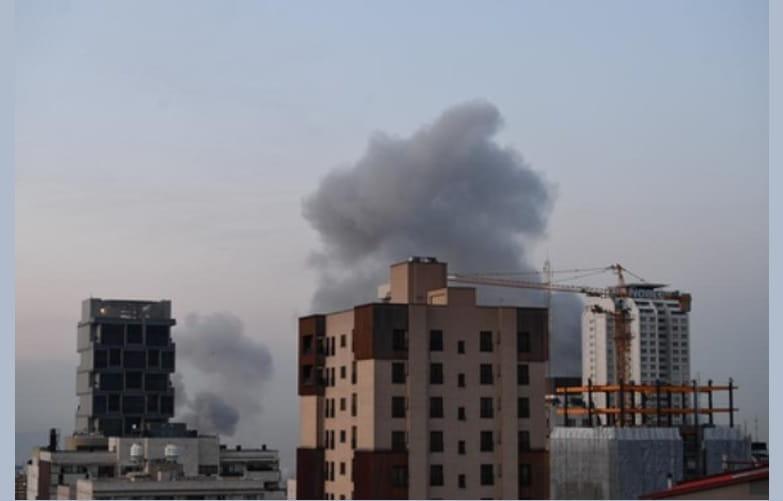
Netanyahu's comments come against the backdrop of continuing tensions between Israel and Iran and a wider regional conflict involving Iranian allies and armed groups. His remarks signal that Israel's leadership continues to view Iran as a central strategic threat and is seeking to maintain pressure on Tehran.
At the same time, the claim that Iran's regime is close to collapse is Netanyahu's assessment and has not, by itself, established that such an outcome is imminent.
The Israeli prime minister's latest comments indicate that, despite what he described as significant military gains, his government does not consider the confrontation with Iran and its regional allies to be over. Instead, Netanyahu is presenting the coming phase as one in which Israel intends to pursue what he considers its broader strategic objectives.



© Copyright
Reporter Post.All Rights Reserved |
Powered by: Aptilogic Software |
 |
Page rendered in 0.1058 seconds.
|
Page rendered in 0.1058 seconds.