Thu, October 22, 2026
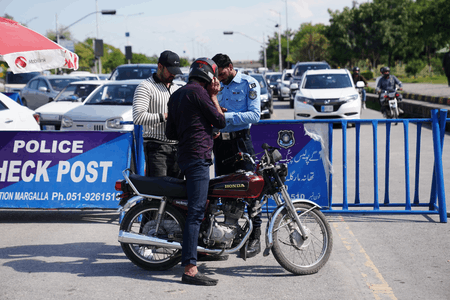
Islamabad — A suspension of goods transport has led to shortages of essential food items and fuel in Pakistan’s twin cities, Islamabad and Rawalpindi, with traders and transporters urging authorities to immediately reopen key routes.
According to local reports, the disruption has lasted for the past two to three days, severely affecting supply chains. With oil tankers unable to move, petroleum availability has been hit, raising concerns about broader fuel shortages.
Noman Ali Butt, spokesperson for the Oil Tanker Contractors' Association, said the restrictions on goods vehicles have directly impacted fuel distribution. He added that tankers meant for supplying fuel to airports in Islamabad and Peshawar are currently stranded at depots, which could soon affect aviation operations.
The situation has also disrupted the supply of daily essentials. Shaqeel Qureshi, President of the Rawalpindi Goods Transport Association, said no goods have reached grain, fruit, or vegetable markets since April 19 due to road closures.
He highlighted the economic impact on daily wage workers, many of whom depend on loading and unloading work at transport hubs but are now returning home without earnings.
Transporters have proposed allowing goods vehicles to use motorways as an alternative route to maintain supply. While this may increase transportation costs, they argue it could help prevent shortages of essential commodities.
The restrictions were imposed earlier this week by district administrations in both cities. Authorities suspended heavy, public, and private transport services until further notice, though no official reason has been disclosed.
Officials have urged citizens to cooperate with security agencies, but growing supply disruptions are adding pressure on the administration to restore normal transport operations soon.
With inputs from IANS


© Copyright
Reporter Post.All Rights Reserved |
Powered by: Aptilogic Software |
 |
Page rendered in 0.0118 seconds.
|
Page rendered in 0.0118 seconds.